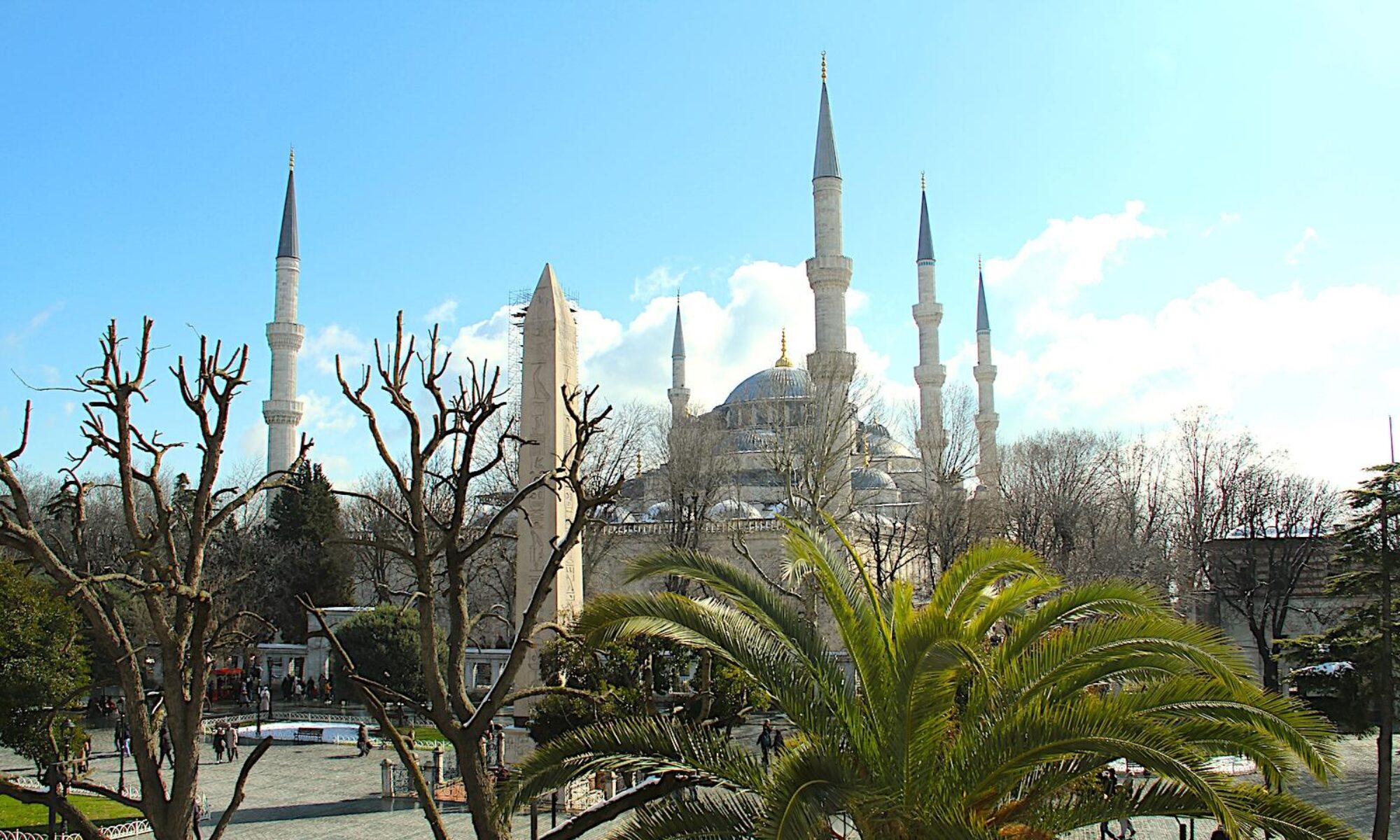
Istanbul neighbourhoods are distinct communities, each shaped by centuries of history, culture, and migration. From the Byzantine churches and Ottoman palaces of Sultanahmet to the Belle Époque boulevards of Beyoğlu and the vibrant market streets of Kadıköy, Istanbul’s districts reveal the city’s ever-evolving story. The Bosphorus, threading through it all, connects not only Europe and Asia but also past and present, tradition and creativity, sacred spaces and buzzing street life.
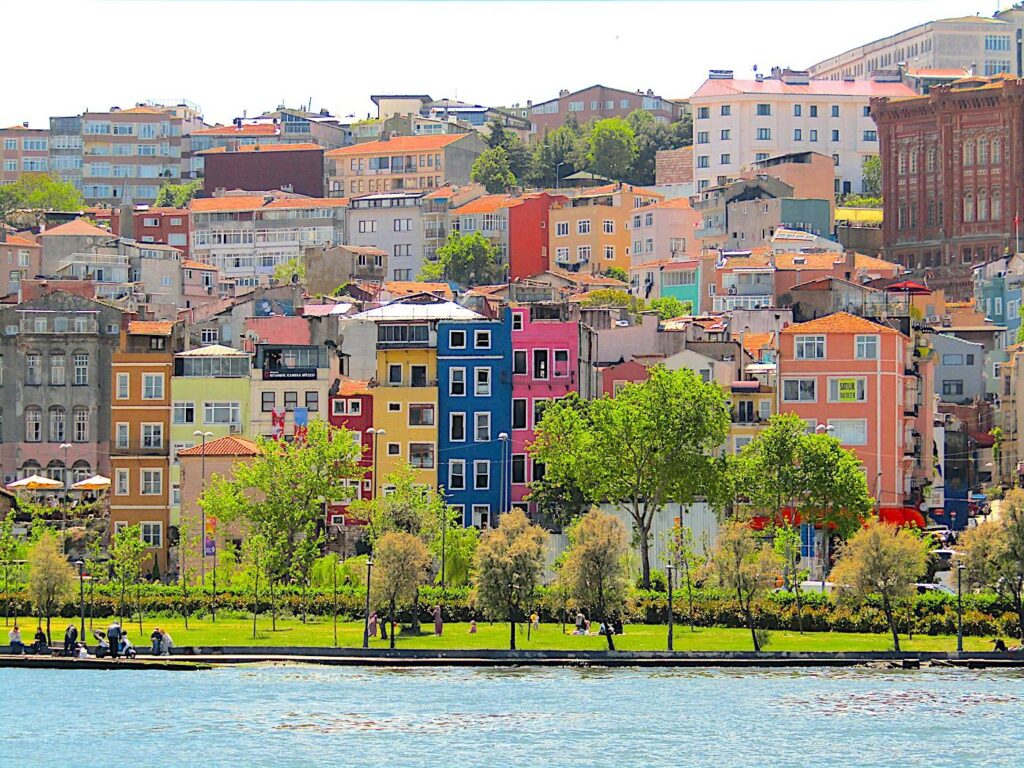
For travellers, exploring Istanbul through its neighbourhoods is the most rewarding way to understand its spirit. Whether you’re admiring 19th-century wooden mansions in Arnavutköy, sipping tea beside the Maiden’s Tower in Üsküdar, browsing antique shops in Çukurcuma, or watching the world go by in a seaside café in Karaköy, each area offers unique experiences. These ten neighbourhoods are historic, hip, elegant, bohemian, and intensely local, forming a mosaic that reflects Istanbul’s soul.
Top 10 Istanbul Neighbourhoods – Table of Contents
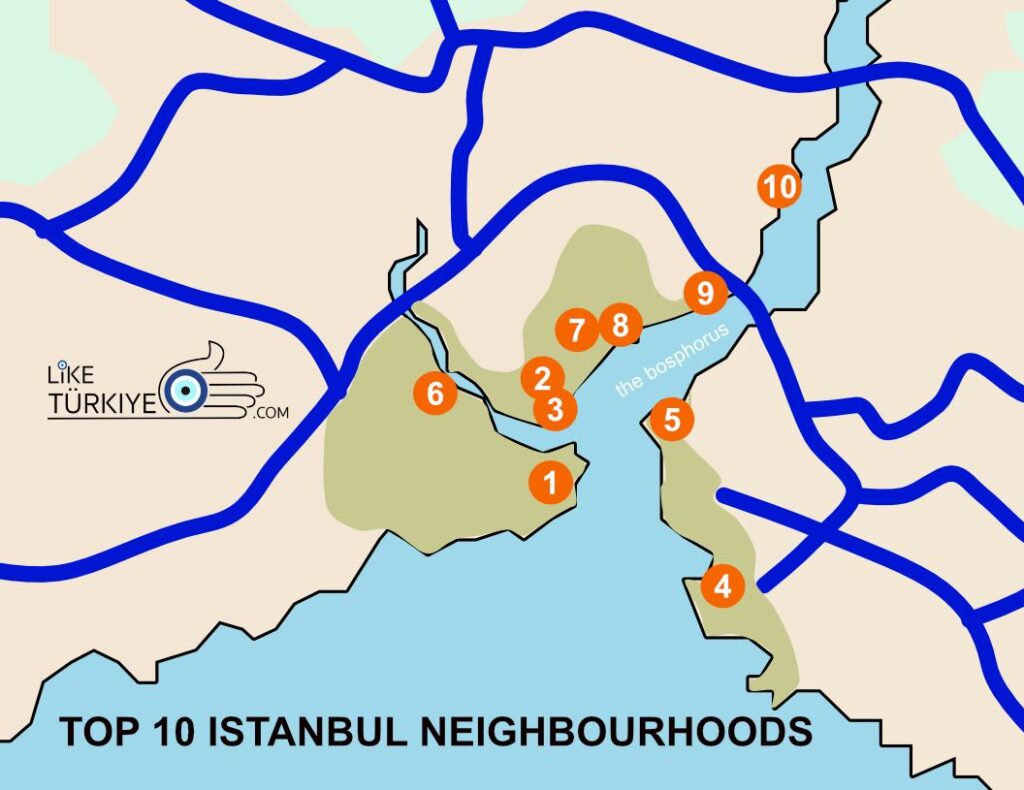
Top 10 Istanbul Neighbourhoods
Sultanahmet (Old City)
Google Map Location: Sultanahmet, Fatih/İstanbul
Sultanahmet is the heart of historical Istanbul, sitting atop the former capital of the Byzantine and Ottoman Empires. Known in antiquity as Byzantium and later Constantinople, this area has been continuously inhabited for over 2,000 years. Layers of Roman, Byzantine, and Ottoman architecture and culture are visible in its streets and landmarks.
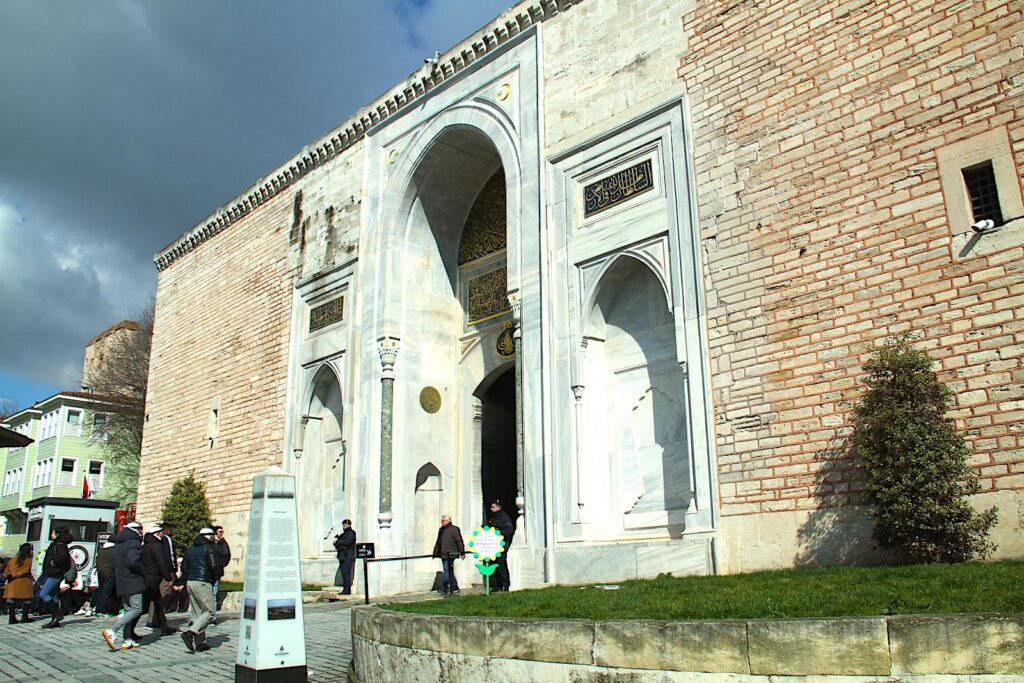
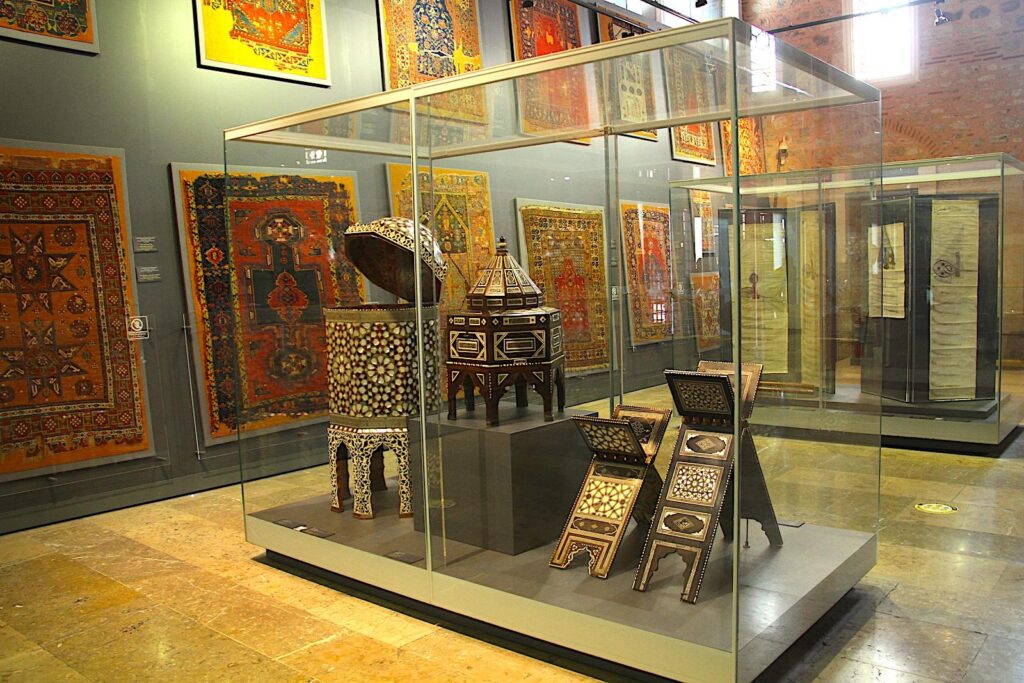
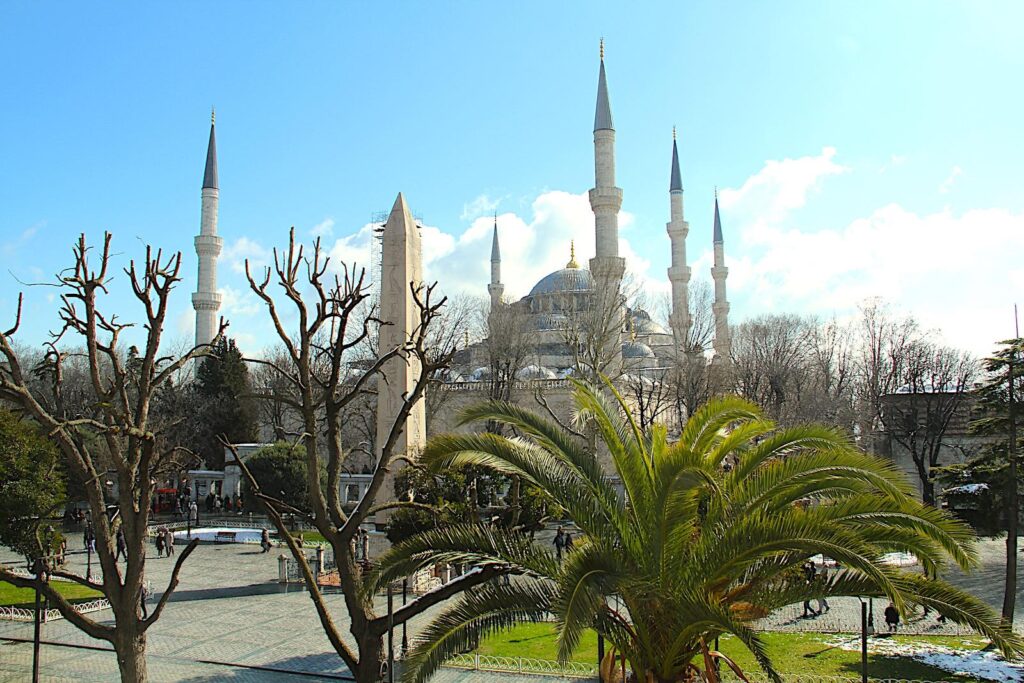
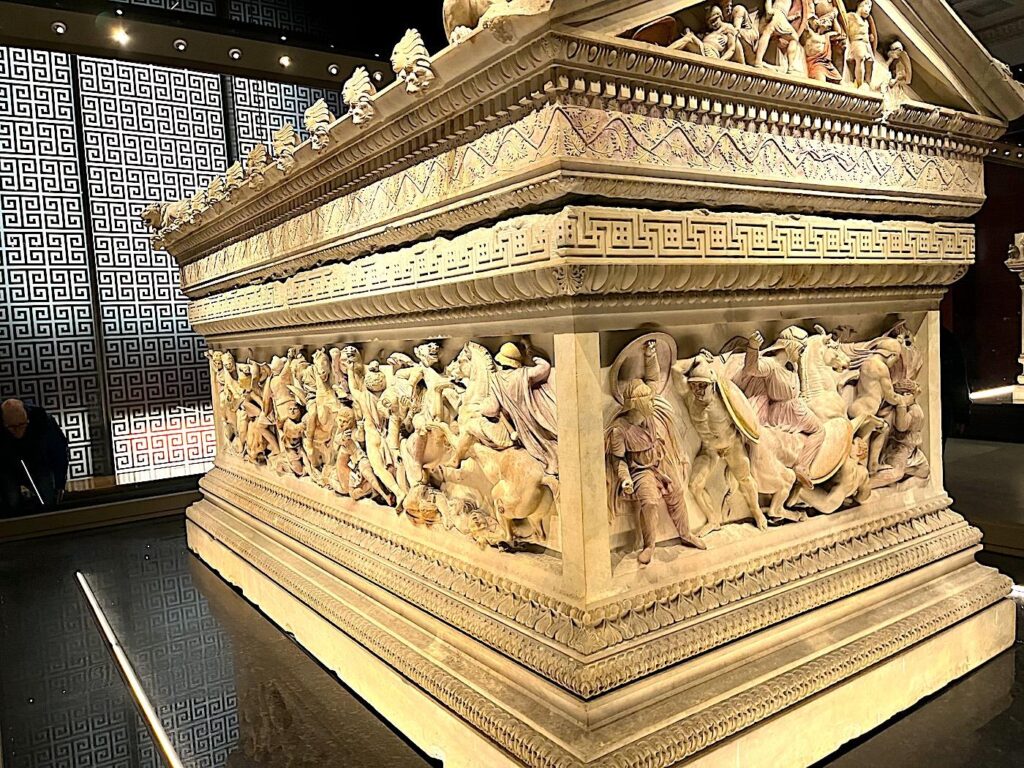

This neighbourhood draws visitors with its concentration of iconic monuments of worldwide significance. The Hagia Sophia, once a church, then a mosque, and later a museum, is now again a mosque, a symbol of Istanbul’s layered history. Nearby, the majestic Blue Mosque with its six minarets and intricate Iznik tiles, the Topkapi Palace with its imperial treasures, the rich collection of the Istanbul Archaeological Museum, and the mysterious underground Basilica Cistern offer a deep dive into imperial grandeur. The area is also home to traditional Turkish bathhouses and small, family-run restaurants.
Sultanahmet is a “must-see” for first-time visitors to Istanbul. Start at Hagia Sophia early to avoid crowds. Walk across Sultanahmet Square to explore the Blue Mosque and then continue to the Hippodrome, where Roman chariot races once took place. Grab a tea at a rooftop terrace with a view of the Bosphorus before heading to the Topkapi Palace or the Cistern, depending on your interest. Wrap up with lunch at a local lokanta for authentic Ottoman cuisine.
Beyoğlu (Taksim, Galata, Istiklal Street)
Google Map Location: İstiklal Cd., Beyoğlu/İstanbul
Beyoğlu was historically known as Pera, a European-style district across the Golden Horn from the Old City. It blossomed during the 19th century as a cosmopolitan quarter inhabited by Levantines, Greeks, Armenians, and Jews. French schools, Italian traders, and German architects left their mark on the architecture and culture of the area.
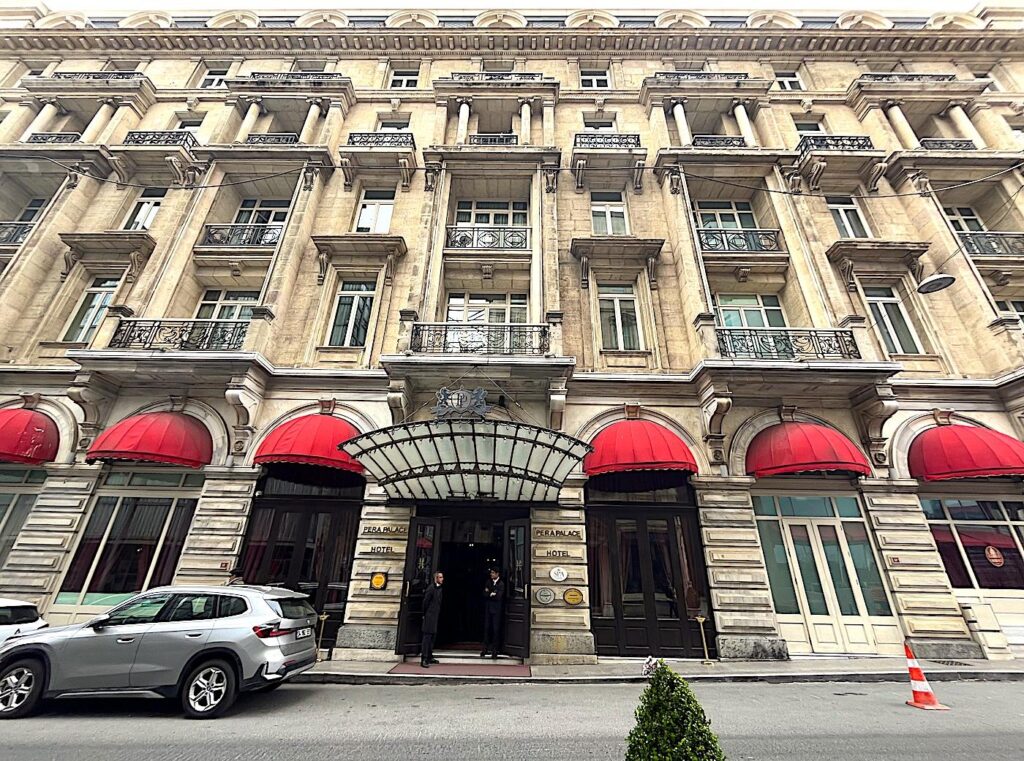
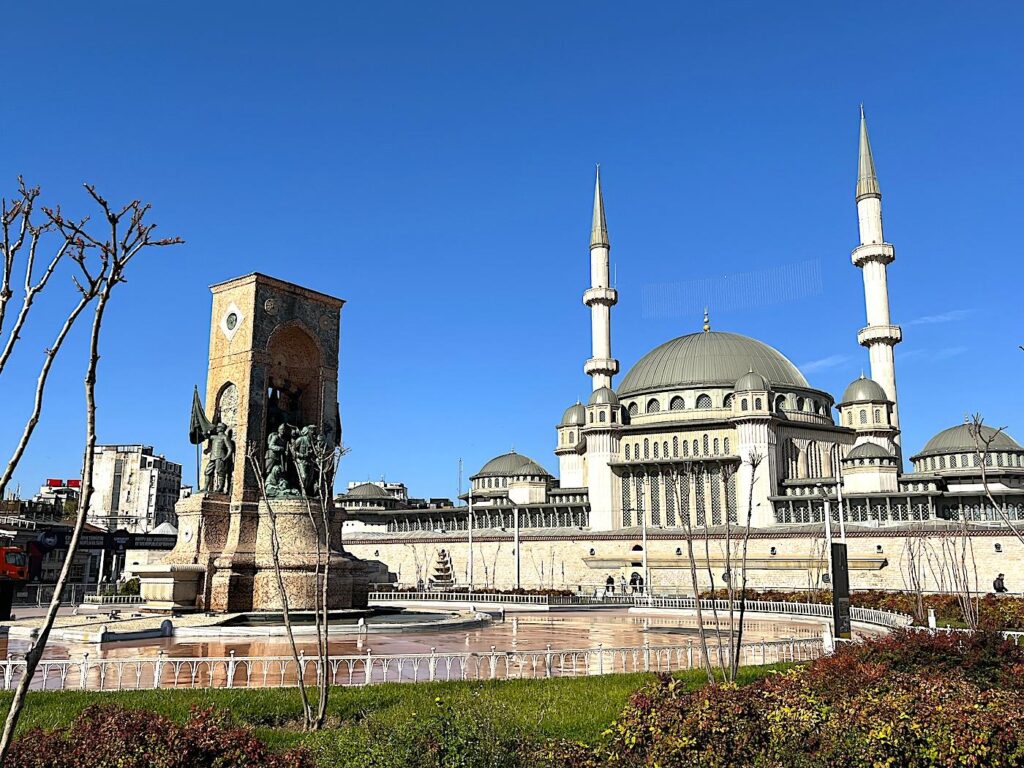
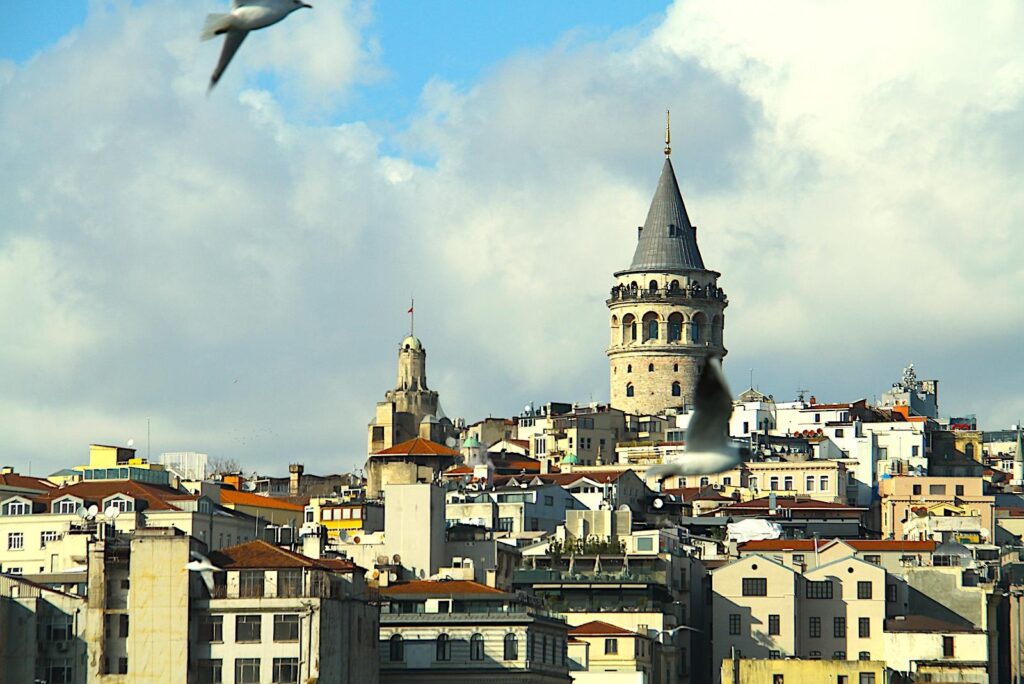
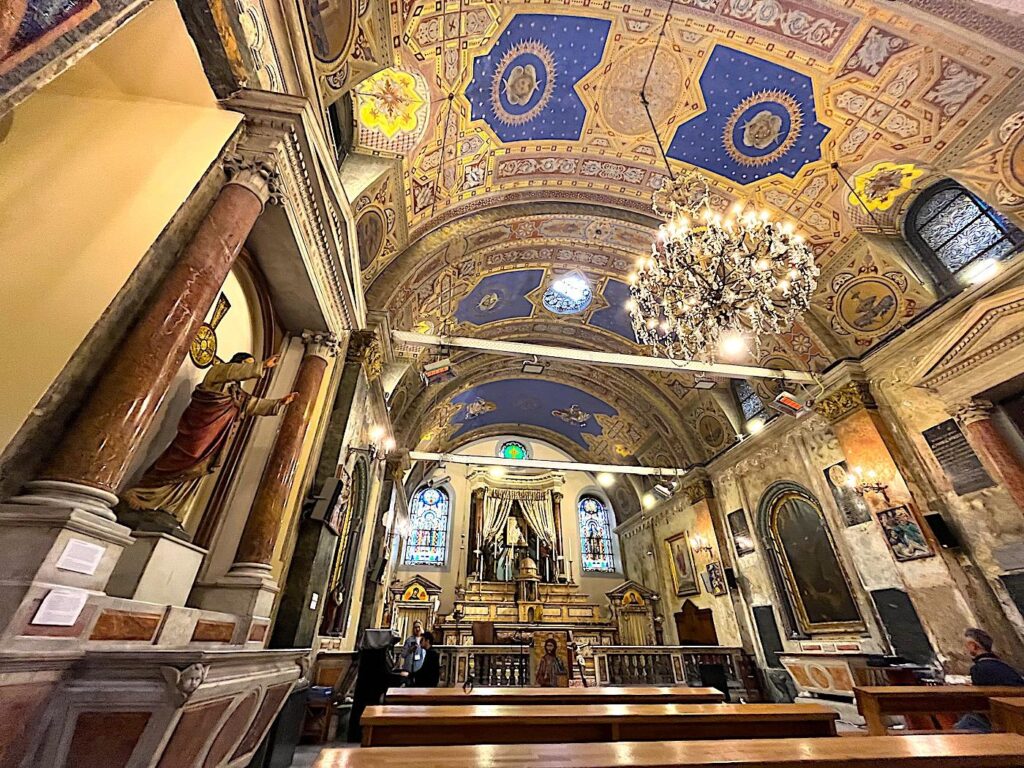
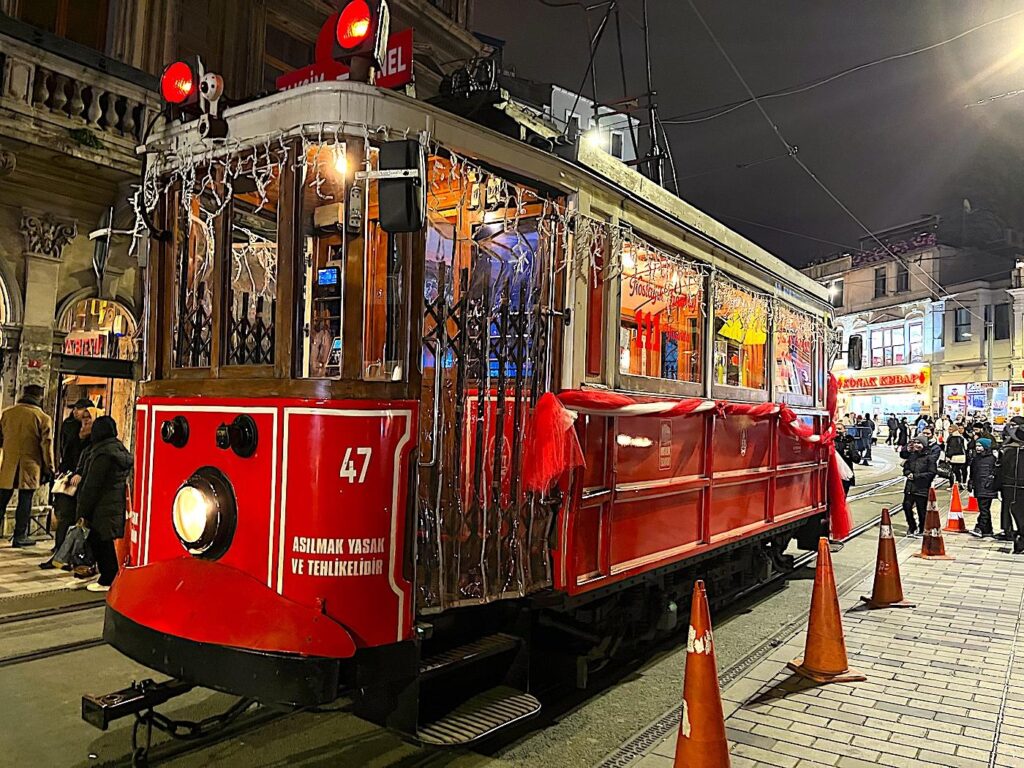
Today, Beyoğlu is Istanbul’s artistic and cultural nerve centre. Istiklal Avenue is a pedestrian boulevard lined with boutiques, art galleries, historic passages such as Çiçek Pasajı, and embassies. At its southern end stands the Galata Tower, built by the Genoese in the 14th century, offering one of the best views in the city. The nostalgic red tram adds charm to the avenue. The area also buzzes at night with jazz clubs, rooftop bars, and meyhanes.
Begin your journey from Taksim Square and slowly walk down Istiklal Avenue. Stop at the Türkiye İş Bankası Painting and Sculpture Museum, Pera Museum or SALT Galata if you’re into art and design. Make your way down to Galata Tower. Grab a coffee or simit along the way and admire the contrast of Neo-Classical buildings beside Ottoman mosques. End with a meze lunch in one of the backstreets of Galata or Asmalı Mescit.
Karaköy
Google Map Location: Karaköy, Beyoğlu/İstanbul
Once a gritty port area, Karaköy has undergone a significant transformation over the past decade, turning into one of Istanbul’s most creative and dynamic neighbourhoods. Historically, it was a financial centre and home to Istanbul’s Jewish community. Ottoman-era banks and warehouses still dot the area, blending with contemporary art spaces.
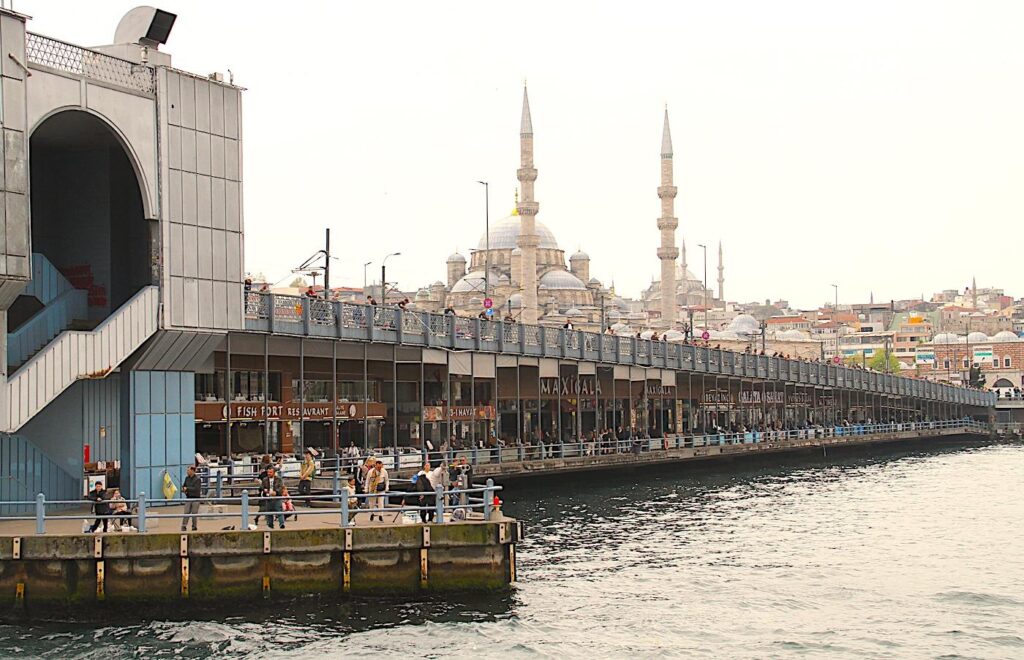
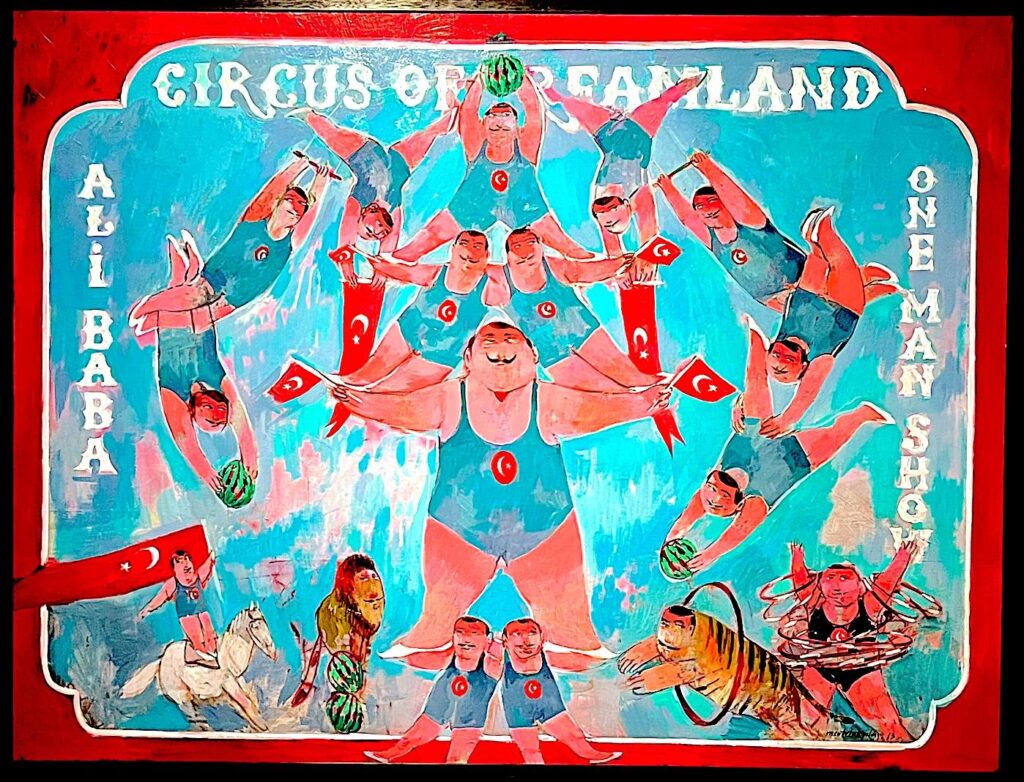
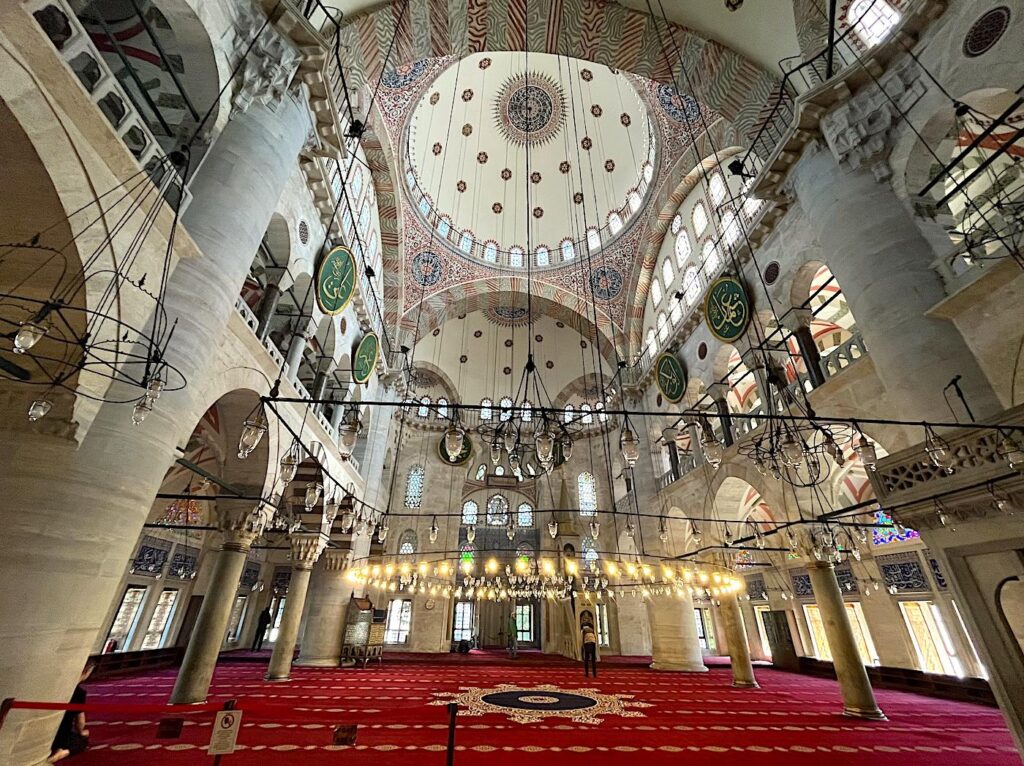
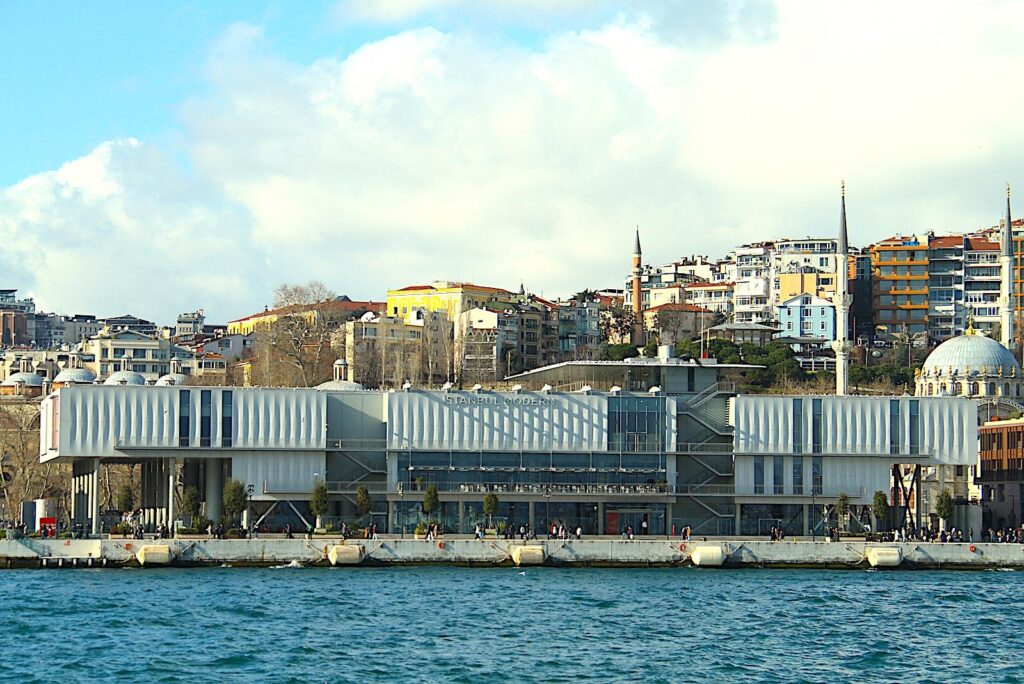
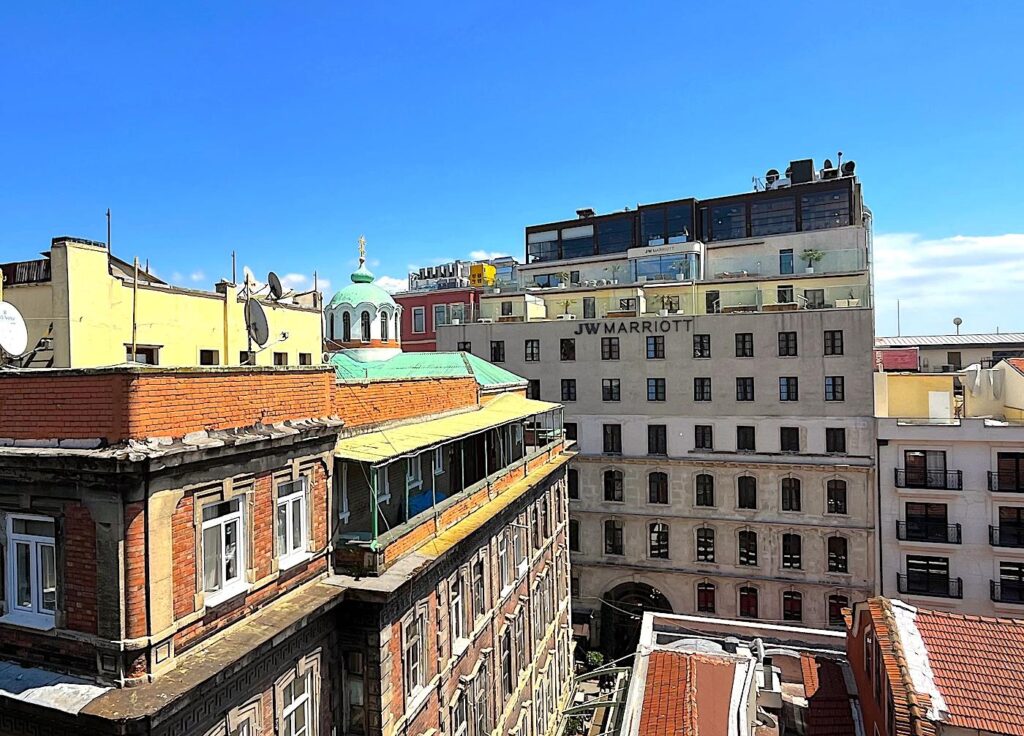
Karaköy is now renowned for its trendy cafes, upscale shops, and cultural venues, including the Istanbul Modern and the Istanbul Museum of Painting and Sculpture in the Galataport complex. The neighbourhood sits at the junction of the Golden Horn and the Bosphorus, giving it an irresistible waterfront charm. Just a short walk away is the Galata Bridge, which connects Karaköy to the Old City and is always bustling with fishermen and food vendors.
Starting with a waterfront breakfast at one of the trendy cafes. Visit Istanbul Modern, or the Istanbul Museum of Painting and Sculpture, and browse the shops of Galataport. Visit the great Ottoman architect Mimar Sinan’s Kılıç Ali Pasha Mosque (1580) and an extraordinary 19th-century Russian Orthodox rooftop church, such as Aya Andrea. Grab a fresh fish sandwich wrap (Balık Dürüm) from a local eatery and take a stroll along the Galata Bridge for stunning city views and excellent opportunities for street photography.
Kadıköy (Asian Side)
Google Map Location: Caferağa, Kadıköy/İstanbul
Kadıköy, located on the Asian side of Istanbul, is a vibrant residential district that offers an authentic glimpse into local life. Historically known as Chalcedon in ancient times, it was a Greek settlement predating Byzantium. Kadıköy has retained a sense of community and neighbourhood spirit, even as it has become one of the trendiest areas in the city.
Chalcedon (Kadıköy) – “The City of the Blind”
The phrase “city of the blind” was famously applied to Chalcedon, the ancient precursor of modern-day Kadıköy on the Asian side of Istanbul, by the Greek historian Herodotus (circa 484-425 B.C.) According to legend, the settlers of Chalcedon (founded circa 685-676 B.C.) were considered “blind” because they chose to establish their city opposite the site of Byzantium, on the less strategically advantageous shore of the Bosphorus. From a military, commercial, and geographic standpoint, the European side where Byzantium (later Constantinople, now the Historic Peninsula of Istanbul) would rise, offered superior natural defences, easier access to trade routes, and control over the Bosphorus strait. The Greeks who later founded Byzantium supposedly marvelled at the poor judgment of the Chalcedonians, hence calling them blind.
While the phrase was intended as a critique of the settlers’ choice, it also highlights the exceptional position of what would become Byzantium and later Istanbul, perched at the crossroads of continents and seas. Ironically, Chalcedon thrived in its own right, becoming a culturally rich and religiously significant city in antiquity, particularly renowned for the Council of Chalcedon in 451 A.D., one of the most important ecumenical councils in Christian history.
The Kadıköy Market area is full of character, with fresh produce stalls, fishmongers, bakeries, and spice shops. The district has a thriving café culture, arts scene, and nightlife, especially around Moda and Barlar Sokağı. Street art adorns many walls, and independent bookstores and cinemas offer a slower-paced, bohemian lifestyle. Ferries from the European side make the journey scenic and relaxing.
Begin your half-day with a ferry ride from Karaköy or Eminönü to Kadıköy. Explore the vibrant market, sampling olives, cheeses, and Turkish coffee. Walk or take a tram to Moda for sea views and people-watching in Moda Park. End your trip with a sunset tea at Moda Pier or a drink on Kadife Street among locals and students.
Üsküdar (Asian Side)
Google Map Location: Üsküdar Meydanı, Üsküdar/İstanbul
Üsküdar is one of the oldest continually inhabited areas of Istanbul, rich in Ottoman architecture and Islamic heritage. Located directly across from the Old City, it served as a spiritual and cultural centre during the Ottoman period, with numerous mosques built by famous architect Mimar Sinan. It retains a calm, conservative, and authentic vibe, distinct from the bustle of Kadıköy or Istanbul neighbourhoods of the European side.
The coastline is lined with beautiful mosques such as Mihrimah Sultan, Yeni Valide, and Şemsi Paşa, many of which are surrounded by gardens and fountains. The Maiden’s Tower, a romantic and mysterious symbol of the city, lies just offshore and can be reached by boat. Locals enjoy strolling along the seaside, sipping tea from glass cups, and watching the sun set behind the Old City skyline.
Take a ferry from Eminönü to Üsküdar and visit the Mihrimah Sultan Mosque. Walk along the seafront promenade toward Salacak for beautiful views and photos of Maiden’s Tower. If time allows, take the small boat to the tower itself. End your visit with Turkish tea and a simit at one of the many seaside tea gardens, enjoying the sunset.
Balat & Fener (Golden Horn)
Google Map Location: Balat, Fatih/İstanbul, and Fener, Fatih/İstanbul
Once home to Istanbul’s Greek, Armenian, and Jewish communities, Balat and Fener are steeped in a rich multicultural history and a charming sense of decay. Located along the Golden Horn, the area was a vital part of both Byzantine and Ottoman Istanbul, featuring religious schools, synagogues, churches, and ornate homes that reflected its rich and diverse past.
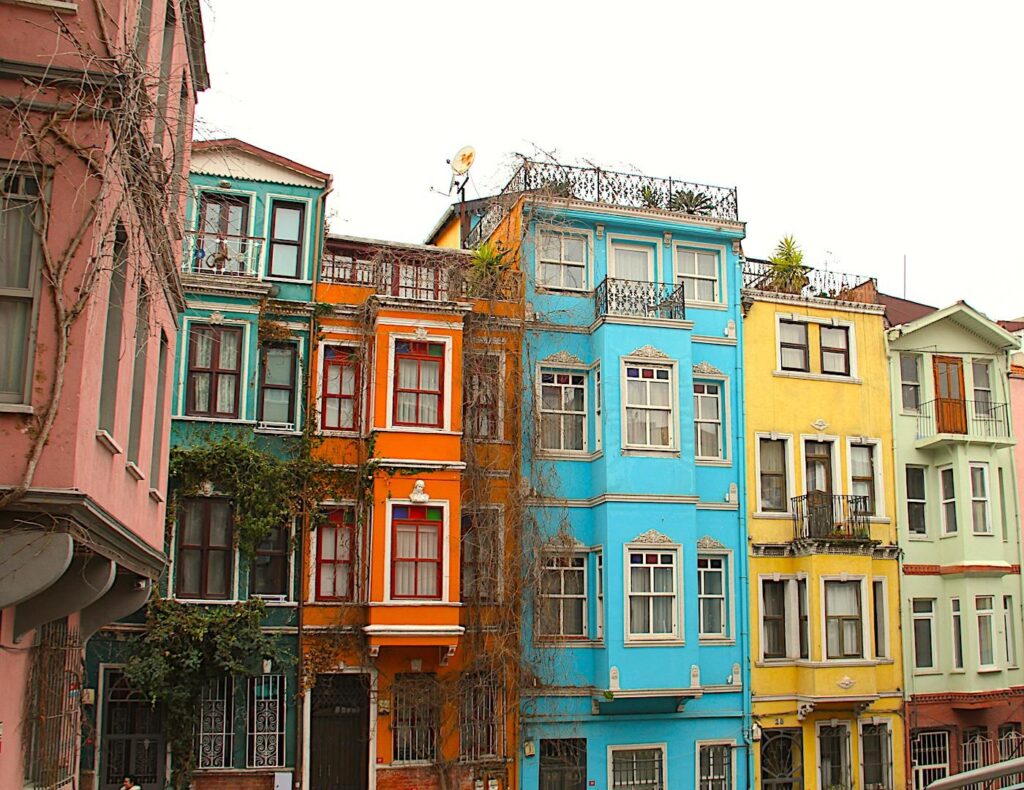
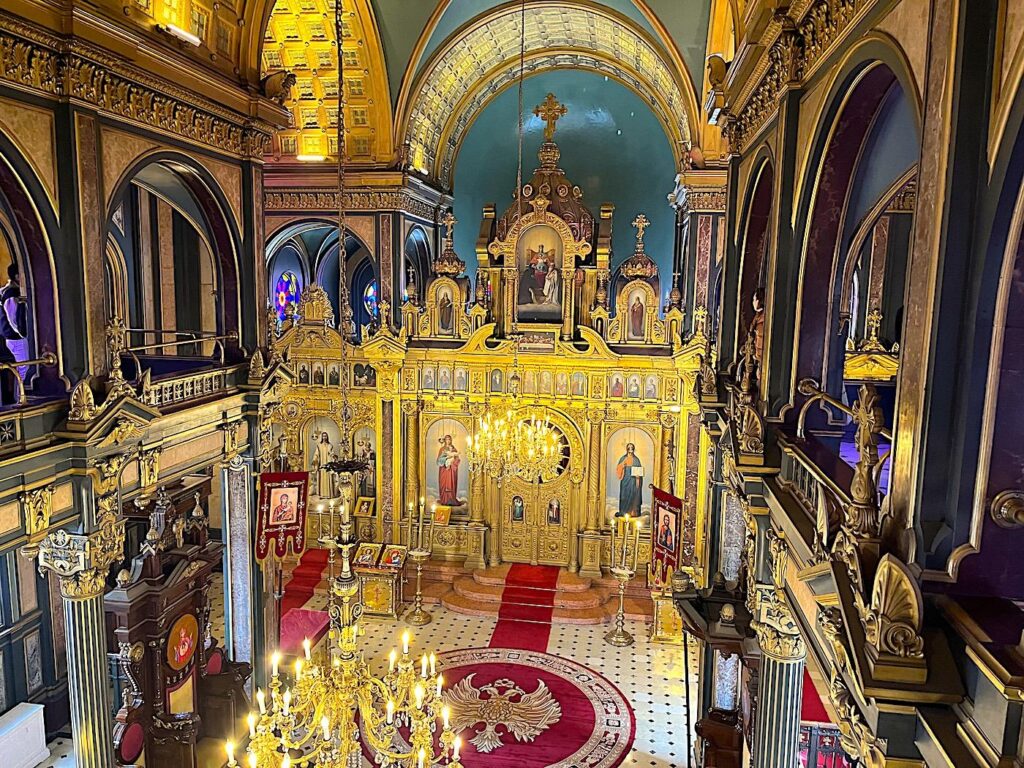
Today, these neighbourhoods are undergoing a cultural revival. The narrow, cobbled streets are lined with pastel-coloured houses, art galleries, quirky cafés, and vintage shops. The Greek Orthodox Patriarchate, the impressive Phanar Greek School, and the Bulgarian St. Stephen Church (also known as the Iron Church) are must-sees. It’s a photographer’s dream, with winding staircases, laundry-strewn balconies, and children playing in the streets.
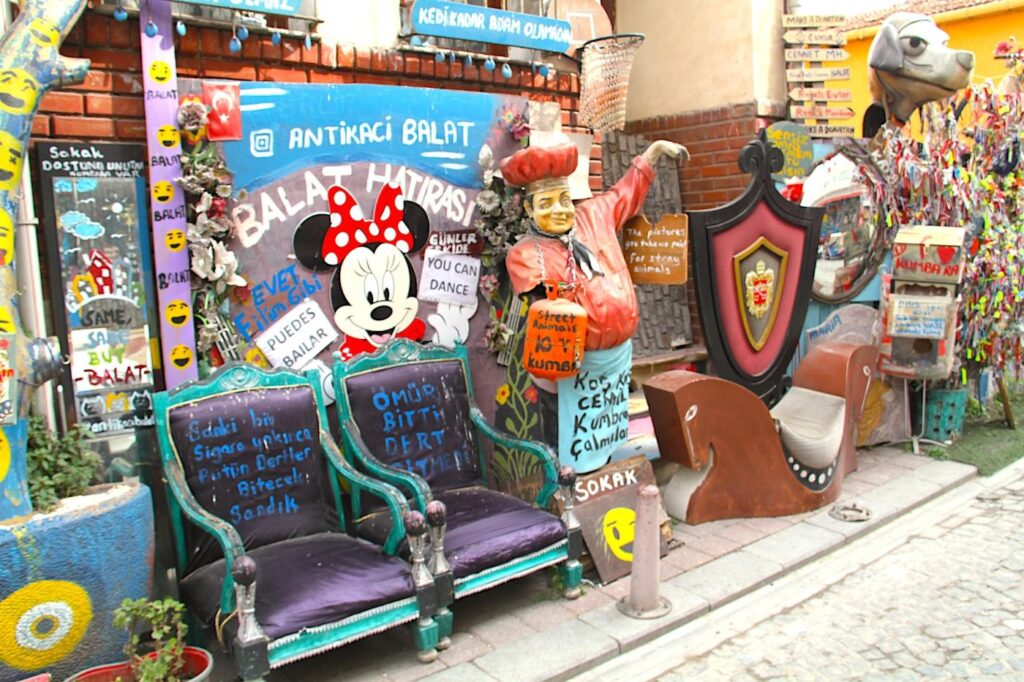
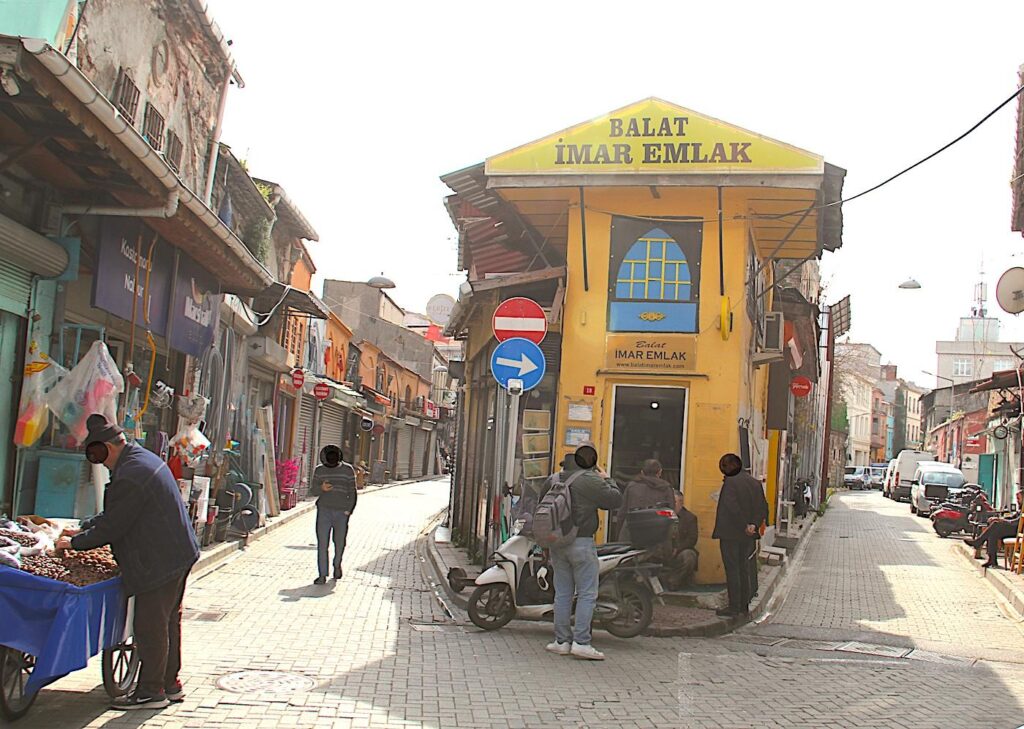
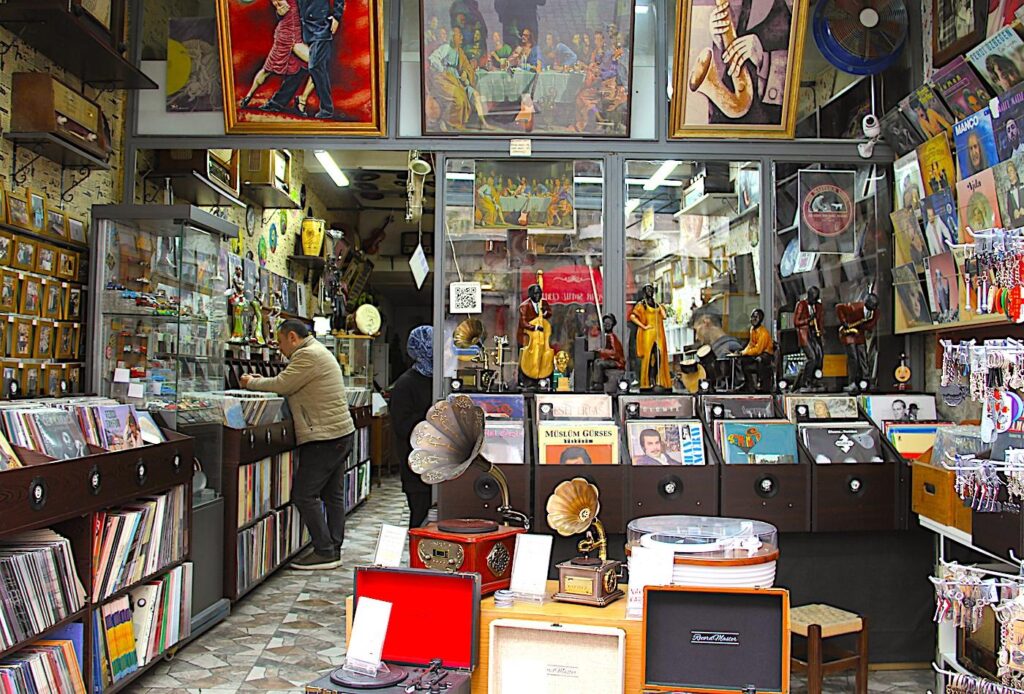
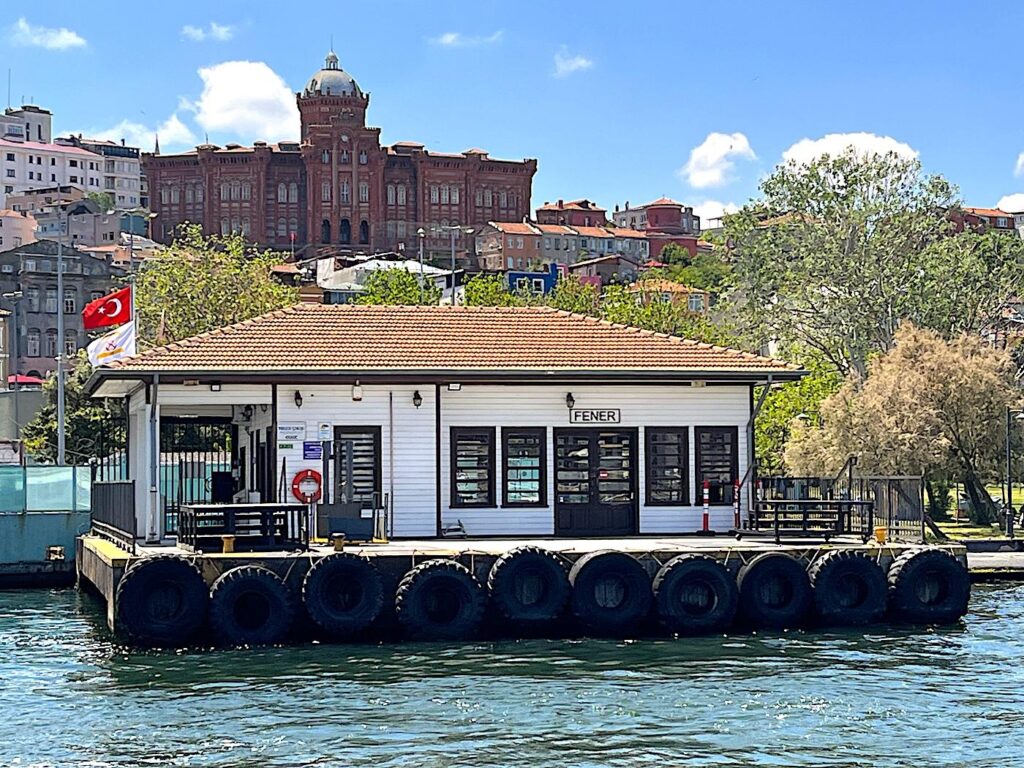
Arrive at the Balat ferry pier or the T5 Balat tram stop and take a coffee in a café in Balat Park. Cross over the main roads and around the ruined Ioannes Prodromos Church, joining Vodina Cd. and the back streets of Balat. Wander through the atmospheric lanes towards Fener, stopping to explore the antique shops, art boutiques and cafés.
Climb the hill via the iconic colourful houses on Kiremit Street to the red-domed Phanar Greek Orthodox School, and if open on the way, visit the Virgin Mary Orthodox Church. Descend the winding streets to the Venerable Patriarchal Church of Saint George and soak in the atmosphere of Fener. Stop for a light lunch at a restored meyhane or try a traditional Armenian pastry at a local bakery. Before leaving, visit the Iron St. Stephen Bulgarian Church and rest on the banks of the Golden Horn.
Nişantaşı
Google Map Location: Nişantaşı, Şişli/İstanbul
Nişantaşı was developed in the 19th century by Sultan Abdülmecid as a modern European-style neighbourhood. It quickly became home to Istanbul’s upper classes, including Ottoman aristocrats and intellectuals. The area is filled with elegant architecture, Parisian-style avenues, and historic apartment buildings that still house many of the city’s elite.
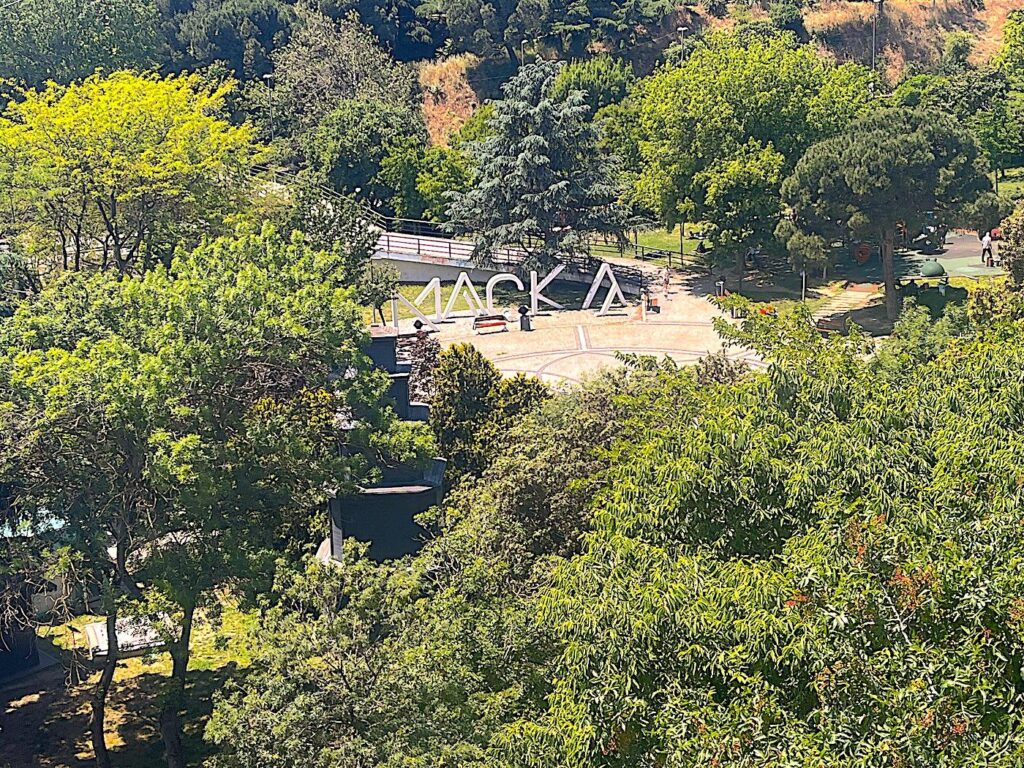
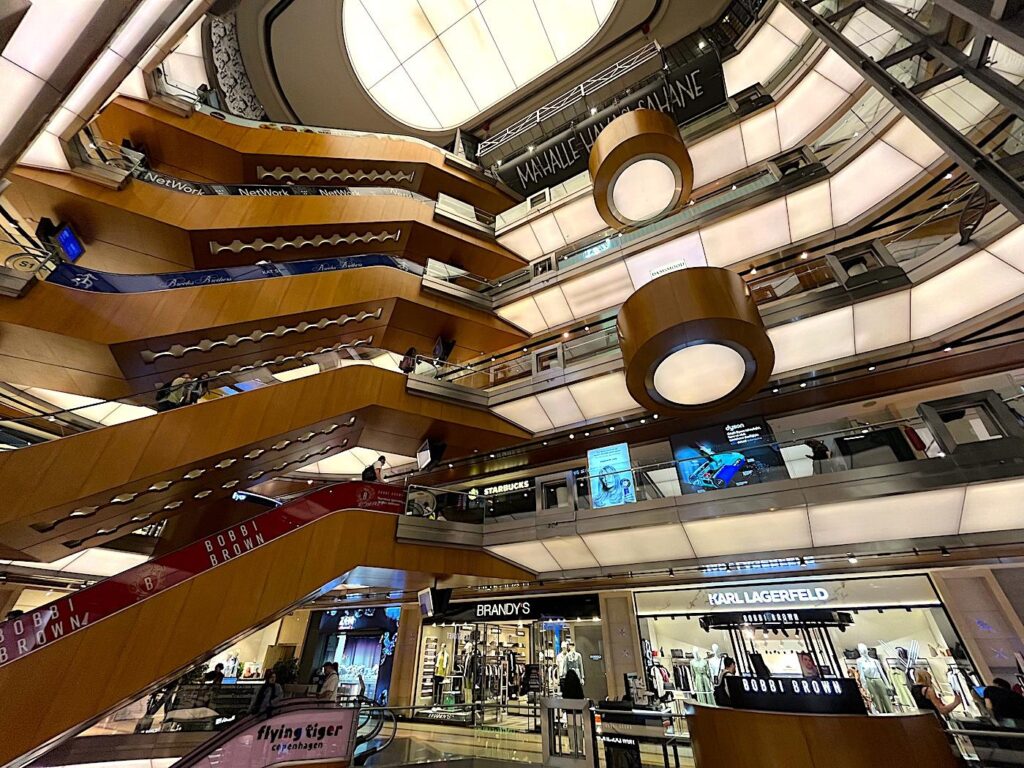
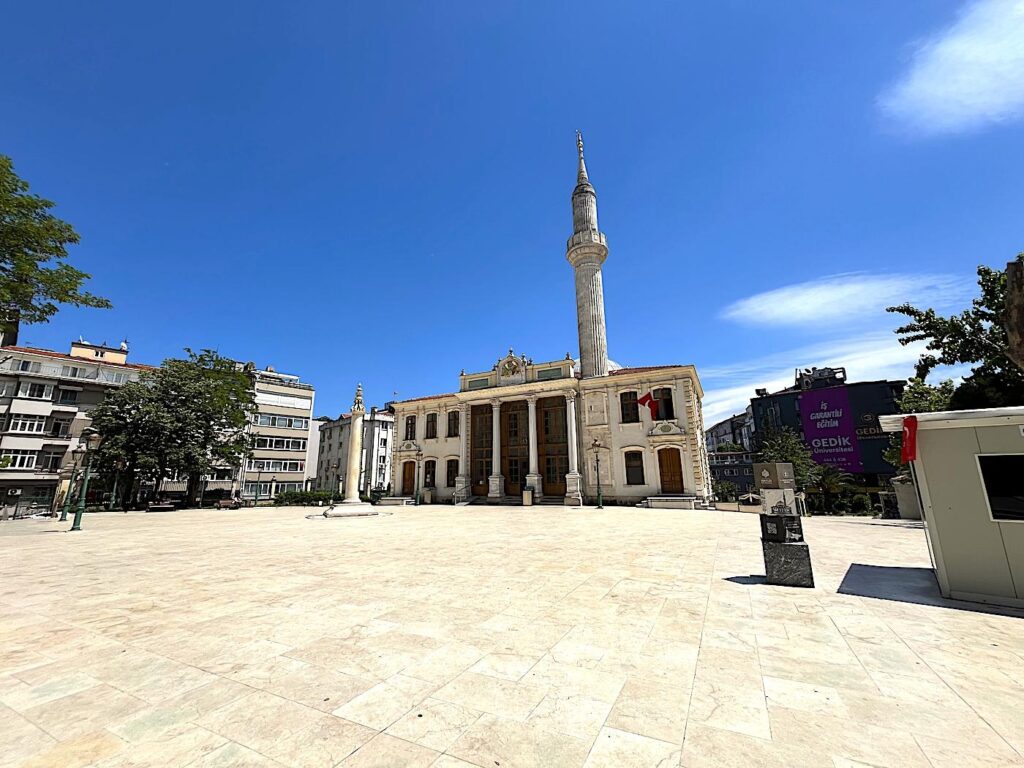
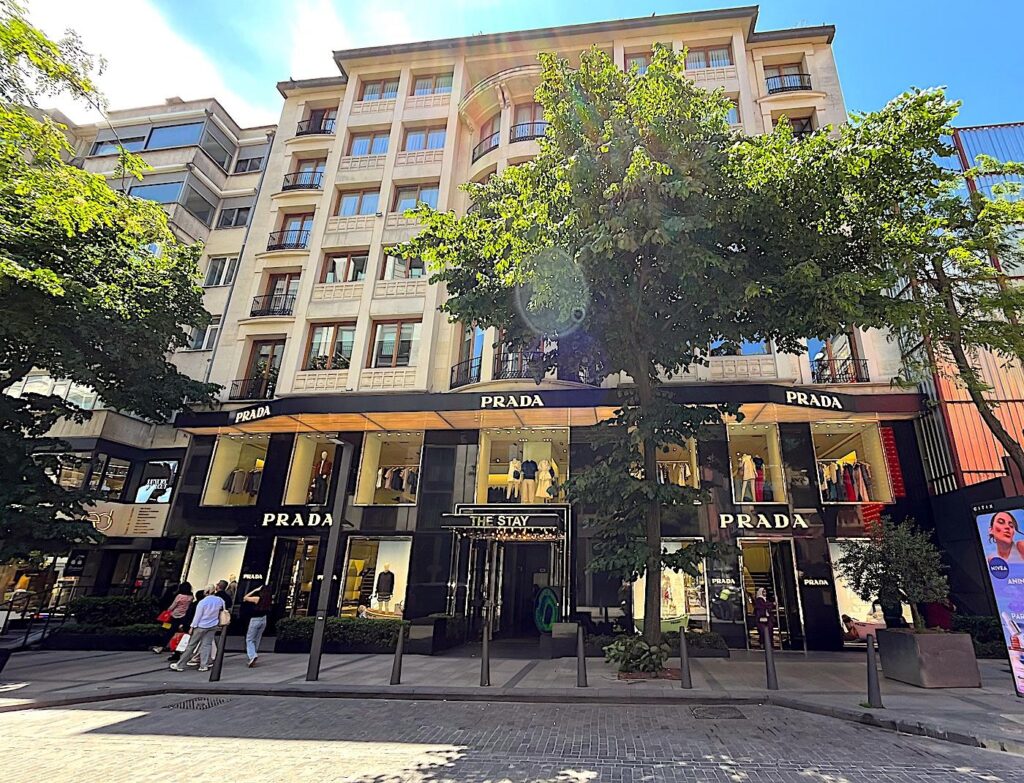
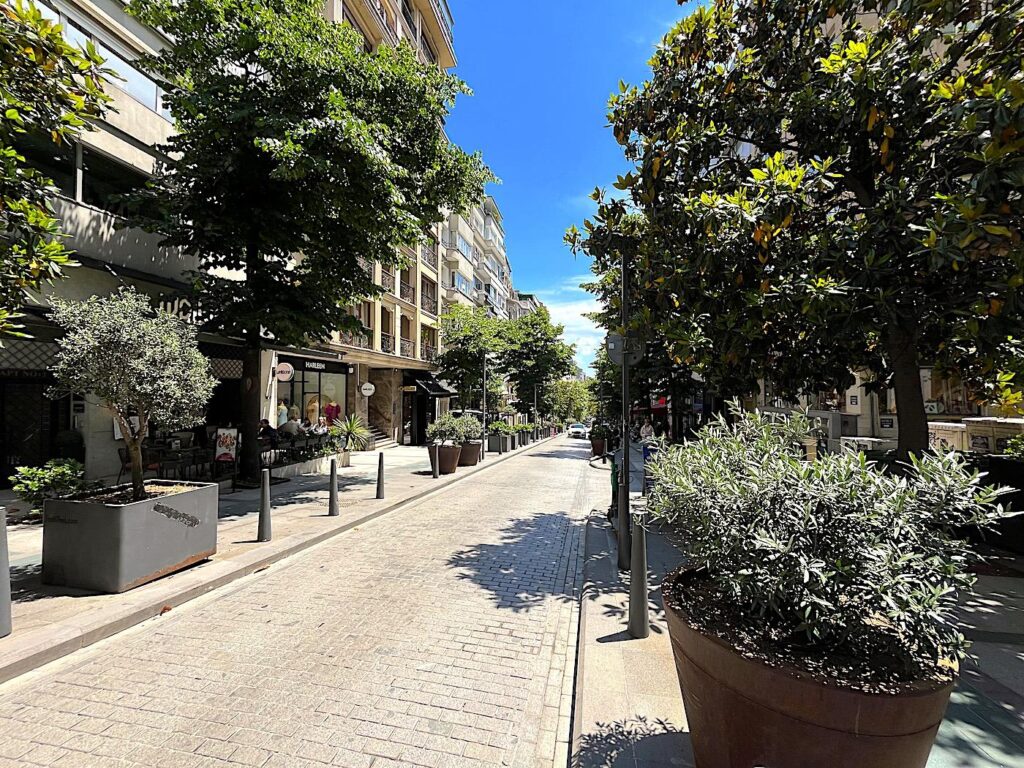
Today, Nişantaşı is Istanbul’s fashion district, home to luxury brands, designer boutiques, and chic cafes. It also hosts cultural centres, art galleries, and refined restaurants. Abdi İpekçi Street is the neighbourhood’s elegant spine, while nearby Teşvikiye Mosque and Maçka Park provide a more relaxed counterbalance to the high-end shopping.
Spend time browsing shops on Abdi İpekçi Street or stopping by City’s Nişantaşı Mall. Grab a coffee at a stylish terrace café, such as Petra or Spago. If you prefer green space, stroll through Maçka Park and enjoy views of the Bosphorus. End your day with lunch at one of the fashionable restaurants or a classic Turkish meyhane tucked away in the back streets.
Beşiktaş (Sinanpaşa & Vişnezade)
Google Map Location: 34357 Beşiktaş/İstanbul – 34353 Beşiktaş/İstanbul
Beşiktaş is one of Istanbul’s liveliest and most local-feeling neighbourhoods. Historically, it served as a naval centre in the Ottoman era, home to admirals and the palace elite. The area retains a proud maritime heritage, centred around the bustling ferry terminal and the stunning Dolmabahçe Palace, built in the 19th century as the new home of the Ottoman sultans.
The neighbourhood is youthful and energetic, thanks in part to its proximity to nearby universities and a large student population. Its fish market, breakfast street (Kahvaltıcılar Sokağı), and lively bars make it a favourite weekend destination for locals. Beşiktaş is also the home of the Tüpraş Stadium, one of the three giant Istanbul football teams Beşiktaş JK.
Start early with a traditional Turkish breakfast on Kahvaltıcılar Street. Walk to Dolmabahçe Palace and tour its lavish rooms and seaside gardens. Stroll along the Bosphorus toward Yıldız Park or take a ferry from the Beşiktaş pier for sweeping views. If you’re there in the afternoon, people-watch with a coffee or try midye dolma (stuffed mussels) from a street vendor.
Ortaköy
Google Map Location: Ortaköy Meydanı, Beşiktaş/İstanbul
Ortaköy is a picturesque waterside neighbourhood in Beşiktaş nestled under the Bosphorus Bridge. During the Ottoman era, it was a cosmopolitan village where Jews, Greeks, Armenians, and Muslims lived side by side. Its legacy is reflected in its mix of religious buildings: a synagogue, a church, and a mosque, all within a short walk. Today, it’s a favourite weekend spot for both locals and visitors.
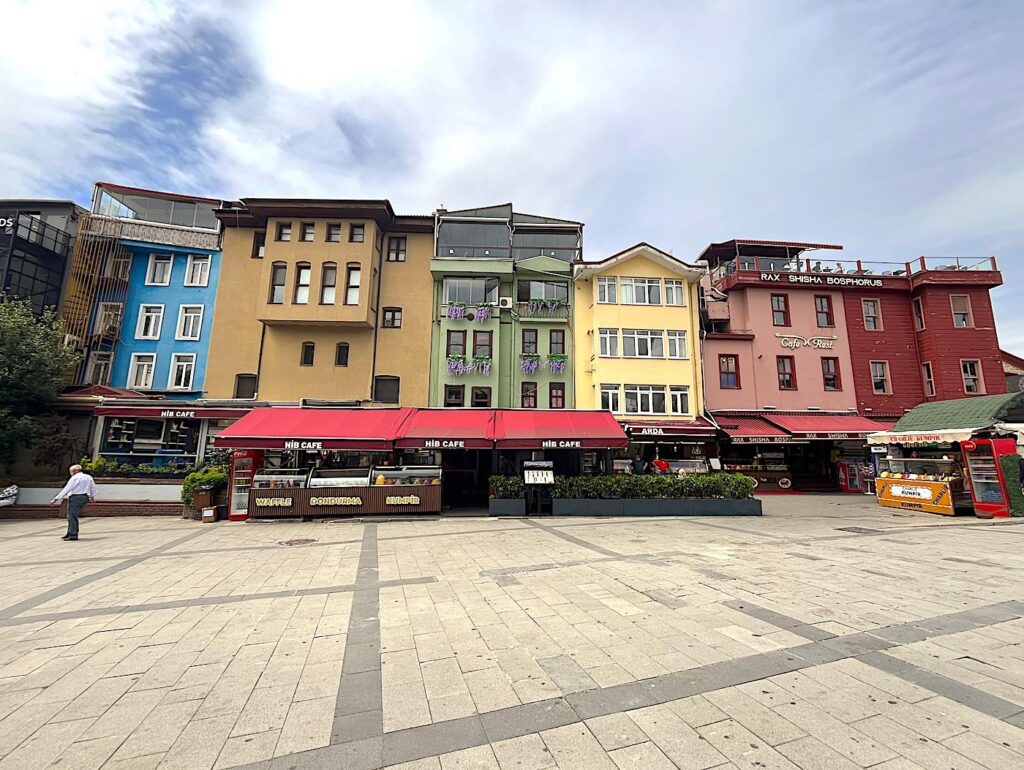
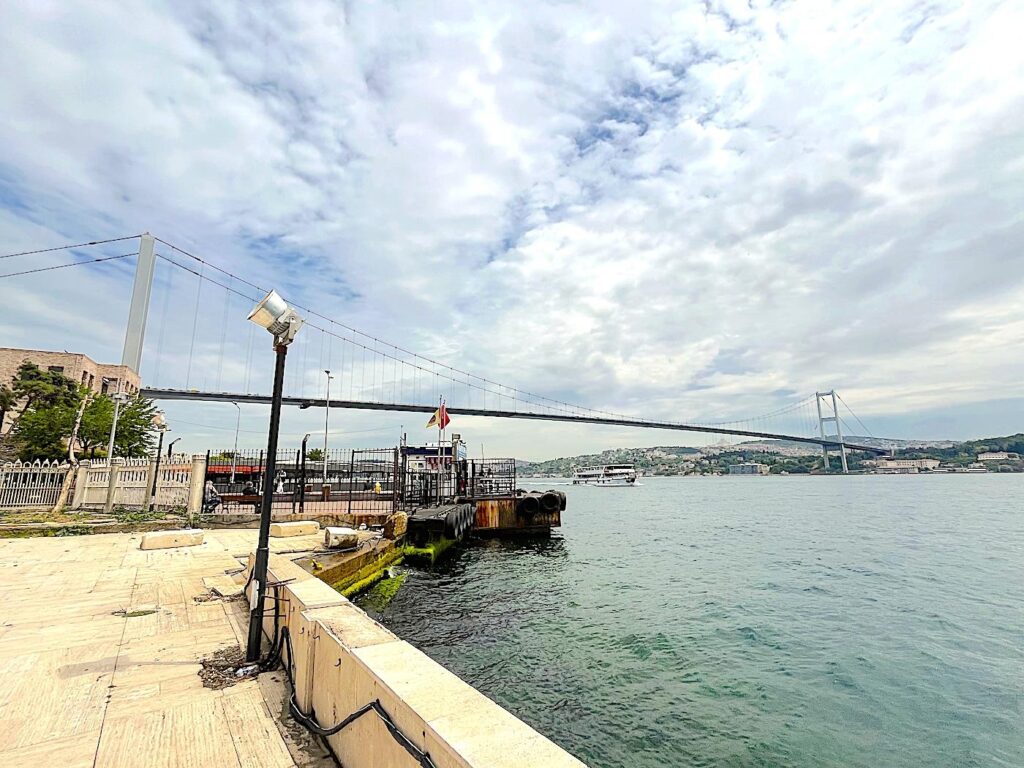
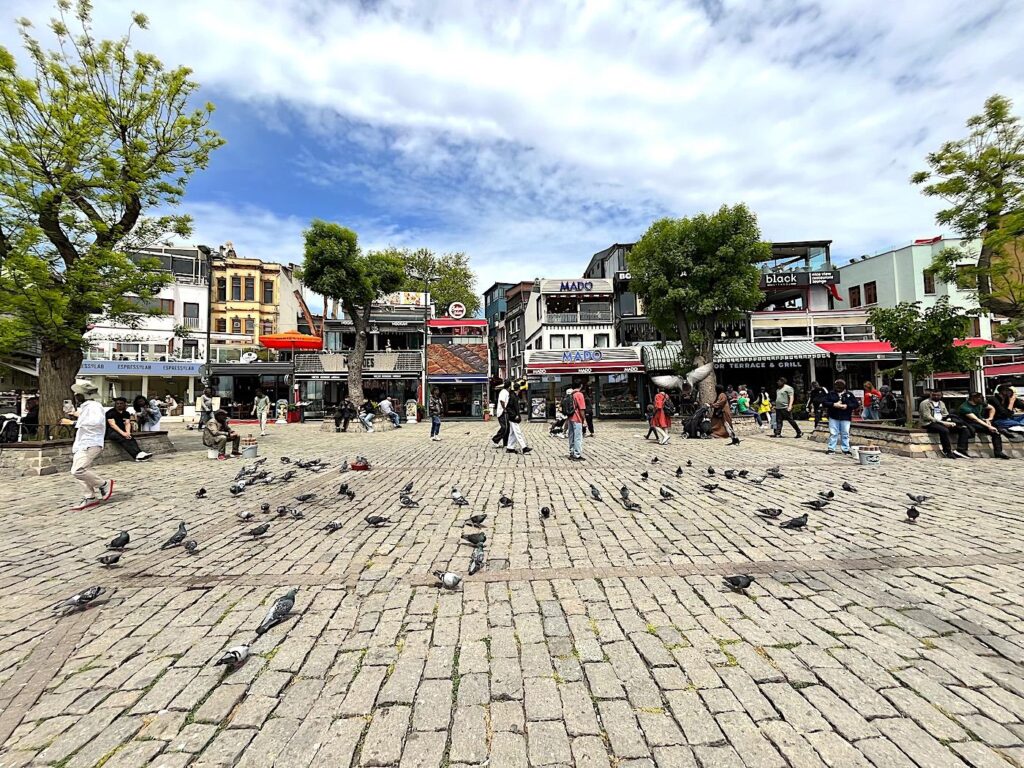
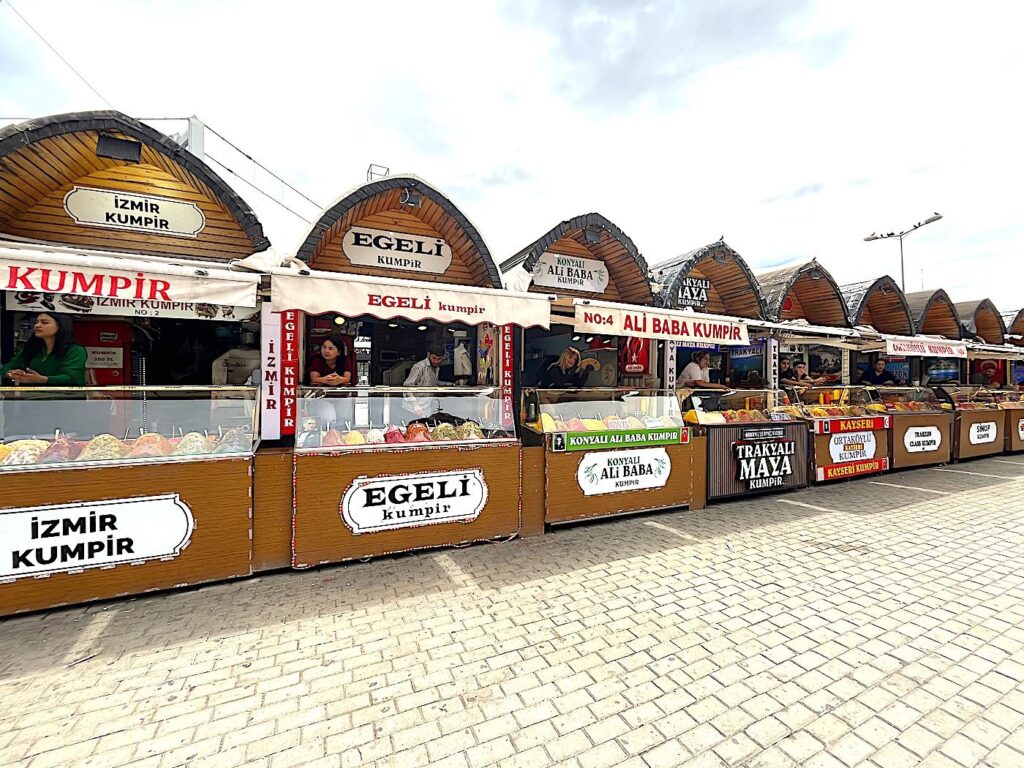
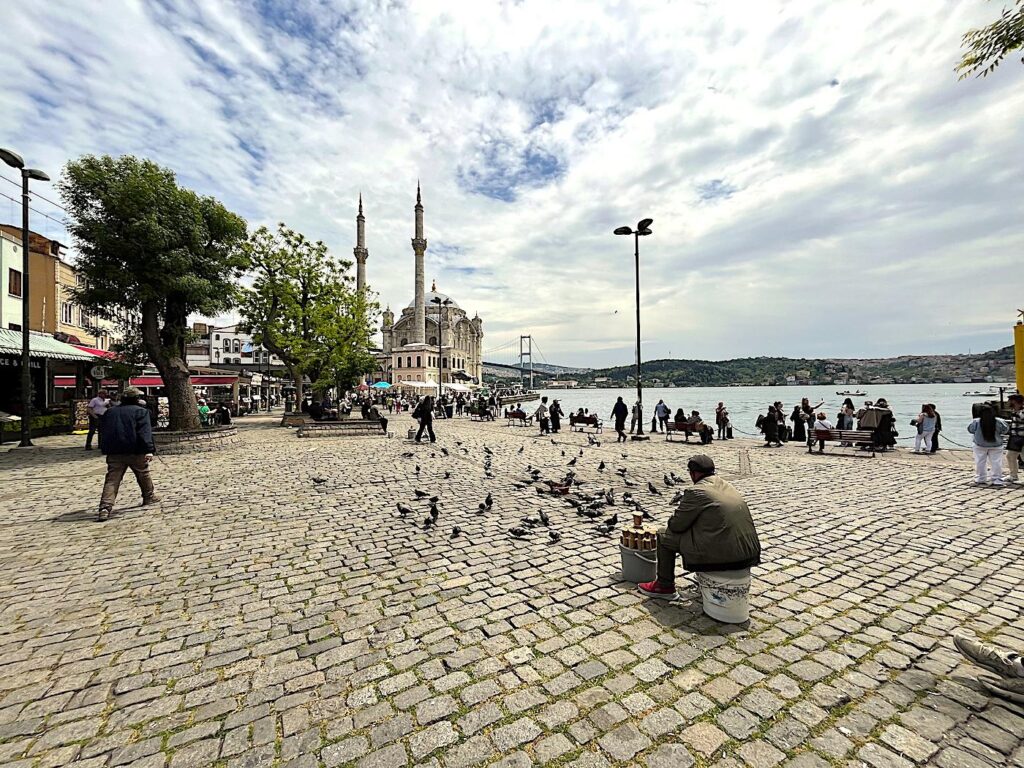
The centrepiece is the Ortaköy Mosque, a baroque gem perched right on the water, framed perfectly by the bridge behind it, one of the most iconic photo spots in Istanbul. The area is lively with street vendors selling trinkets, artists painting portraits, and the scent of waffles and kumpir (stuffed baked potatoes) wafting through the air. It’s also a popular departure point for short Bosphorus cruises.
Arrive mid-morning for fewer crowds and start with tea or Turkish coffee at a café with a view of the Bosphorus. Visit the Ortaköy Mosque, then browse the street market stalls and grab a famous kumpir. If you have time, take a 1-hour Bosphorus boat ride, or relax along the promenade and watch boats pass under the bridge.
Arnavutköy & Bebek
Google Map Location: Arnavutköy, Beşiktaş/İstanbul (not to be confused with Arnavutköy near Istanbul Airport)
Arnavutköy and Bebek are charming neighbourhoods on the Bosphorus, known for their well-preserved 19th-century wooden Ottoman houses. Arnavutköy’s name translates to “Albanian village,” as it was once home to a diverse mix of Albanians, Greeks, Armenians, and Jews.
The neighbourhood of Bebek is believed to be named after a beloved Ottoman commander known as “Bebek Çelebi”, or possibly derived from the Turkish word bebek (meaning “baby”) due to the area’s small size and charm during the Ottoman period. The areas have retained their multicultural heritage and elegant atmosphere, quietly resisting the rapid development that has occurred elsewhere.
What makes Arnavutköy and Bebek special are their timeless beauty and tranquillity. Lined with colourful mansions and leafy streets, the neighbourhoods feel like a living postcard. Their reputation for seafood is well-earned; some of the best fish restaurants in Istanbul are here. The waterside promenade is perfect for a romantic stroll, and the views of the Bosphorus are exceptionally breathtaking at sunset.
Come in the late afternoon. Walk along the coast from nearby Bebek to Arnavutköy, admiring the architecture and old-world charm. Settle in for a seafood lunch or early dinner at a well-known restaurant, such as Sur Balık or Adem Baba. Afterwards, enjoy a leisurely walk along the water, maybe catching a ferry or just soaking up the serene vibe.
Other Fascinating Istanbul Neighbourhoods
Emirgan
Google Map Location: Emirgan, Sarıyer/İstanbul
Emirgan, once a hunting ground for Ottoman sultans, is today one of the city’s greenest and most scenic neighbourhoods. Located on the European Bosphorus shore, it’s best known for Emirgan Park, a vast hillside garden filled with pine and tulip trees, and the site of the annual Istanbul Tulip Festival in April.
The neighbourhood also features cultural landmarks, such as the Sakıp Sabancı Museum, which hosts world-class art exhibitions and a café with a Bosphorus view. Emirgan offers a much-needed respite from the hustle of central Istanbul, with gentle hills, quiet residential streets, and one of the city’s most picturesque seaside walks.
Arrive in the morning and begin at Emirgan Park. Walk its shaded paths, visit the historic pavilions (such as the Pink and Yellow Pavilions), and enjoy a coffee with a stunning view. Continue to the Sabancı Museum for a cultural detour. End with lunch by the water at one of the elegant Bosphorus-front restaurants or cafes like Sütiş.
Çukurcuma
Google Map Location: Çukurcuma, Firuzağa, Beyoğlu/İstanbul
Çukurcuma is one of Istanbul’s most atmospheric neighbourhoods, nestled on the hill between Galatasaray and Cihangir. Its name, meaning “Friday Valley,” refers to the location of an old Ottoman Friday market. In the 19th century, it became a hub for European immigrants and intellectuals, and many of its buildings reflect this blend of styles.
Today, it is known as Istanbul’s antique district, full of secondhand bookstores, antique dealers, and design studios. It’s also where you’ll find The Museum of Innocence, created by Nobel Prize-winning author Orhan Pamuk, which brings his novel of the same name to life through carefully curated everyday objects. The area is a labyrinth of sloping streets, ivy-covered façades, and old-world charm.
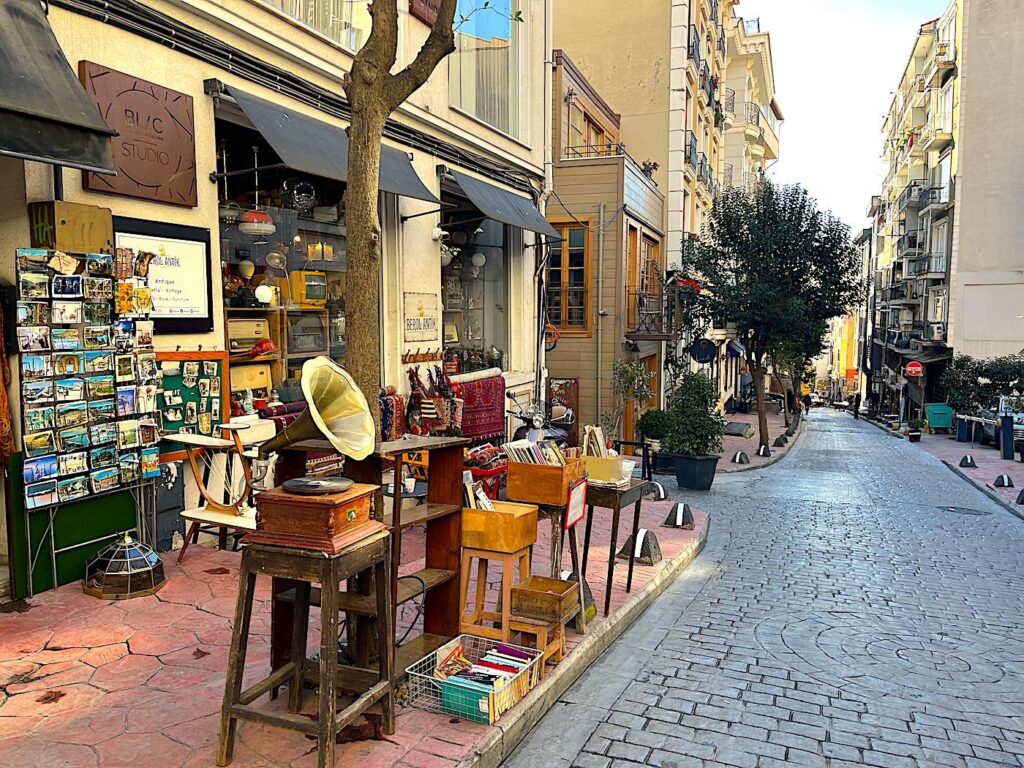
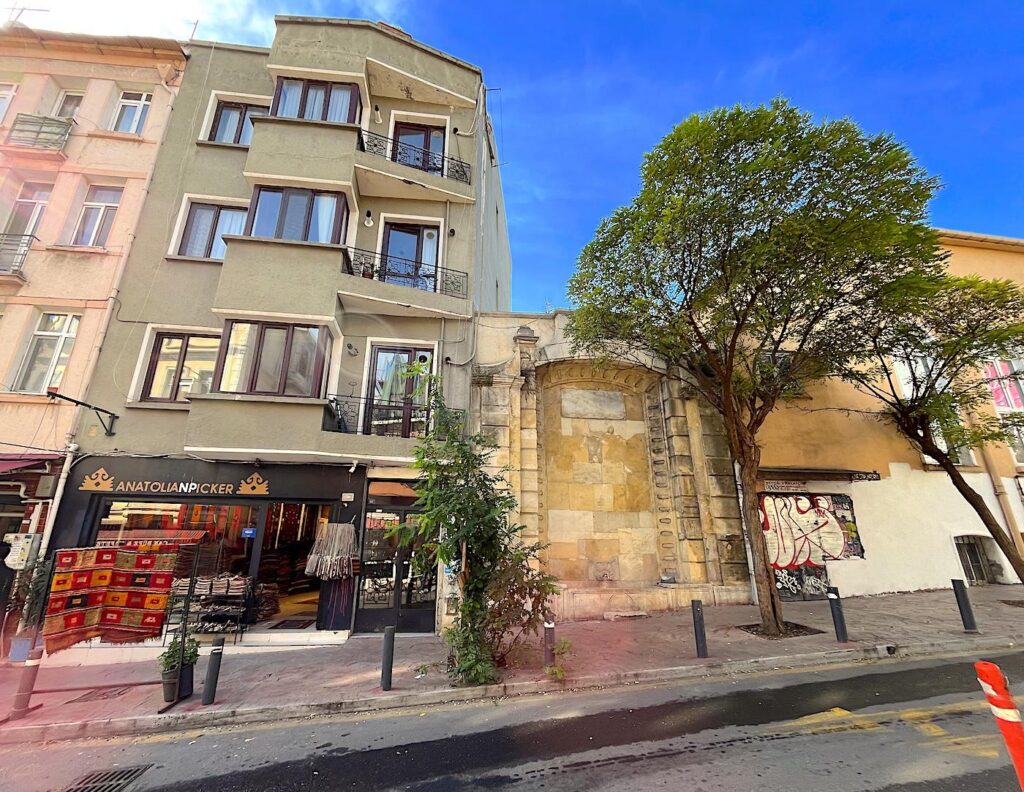
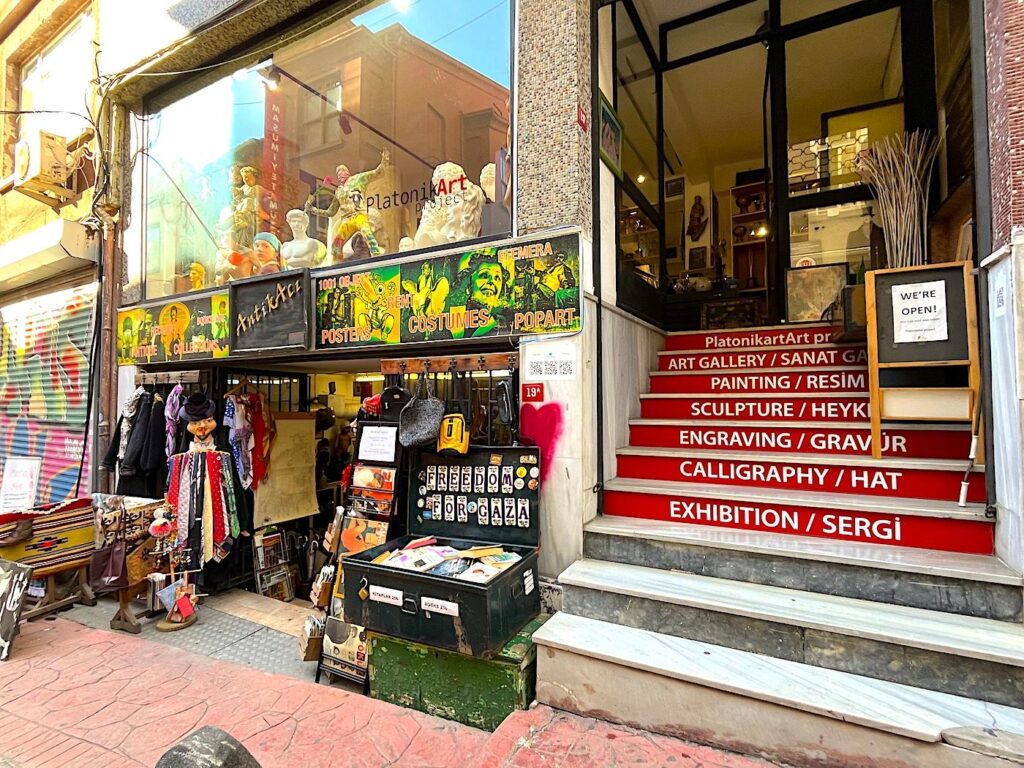
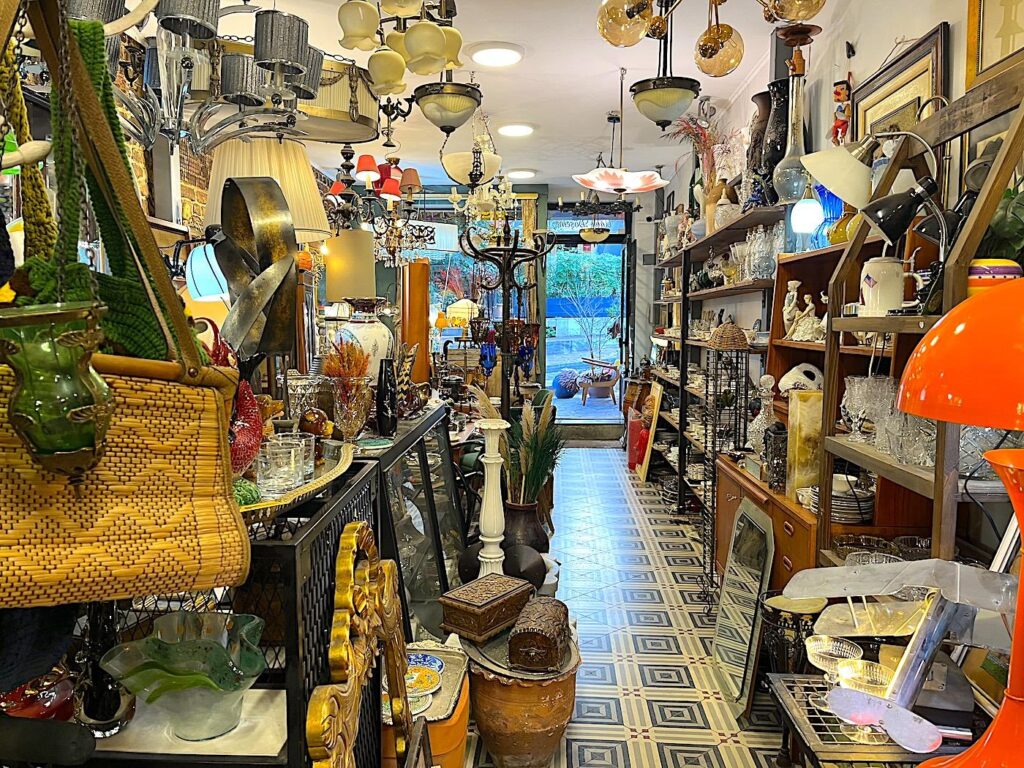
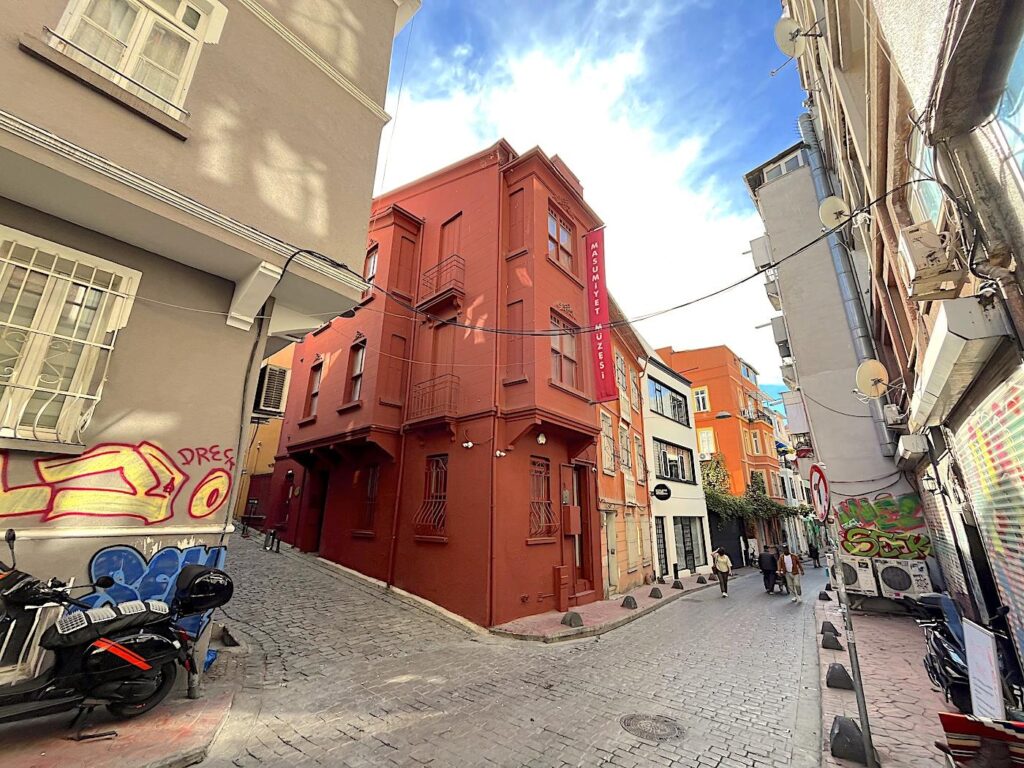
Spend time in Çukurcuma by starting with a coffee in a vintage-decor café like Cuma or Kronotrop. Browse antique shops and quirky boutiques, then visit the Museum of Innocence for a literary and emotional experience. Wind your way down to Galatasaray or up to Cihangir for lunch with a view over the Bosphorus and rooftops.
See also on LikeTürkiye.com – Best of Istanbul – Top 10 Istanbul Shopping Streets.